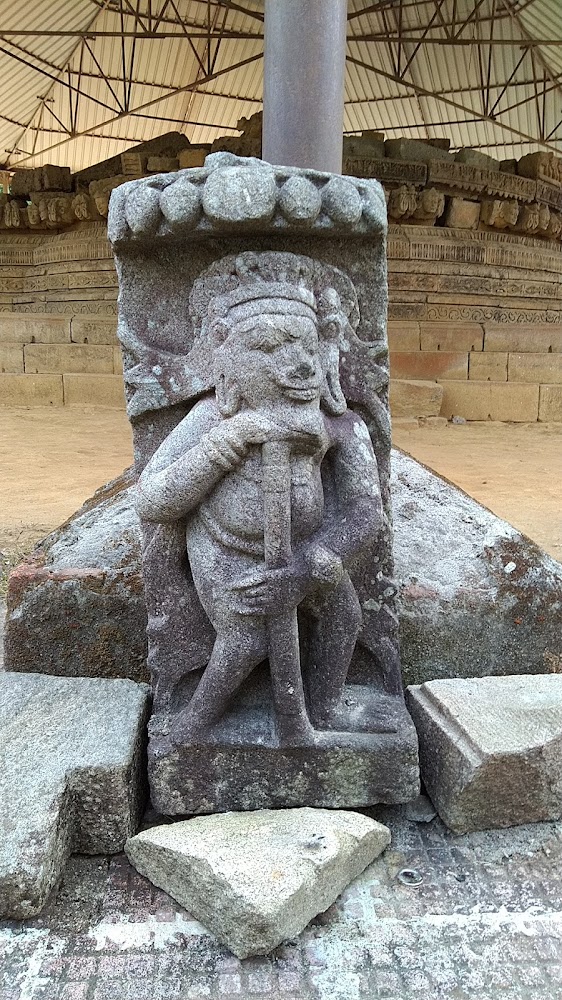
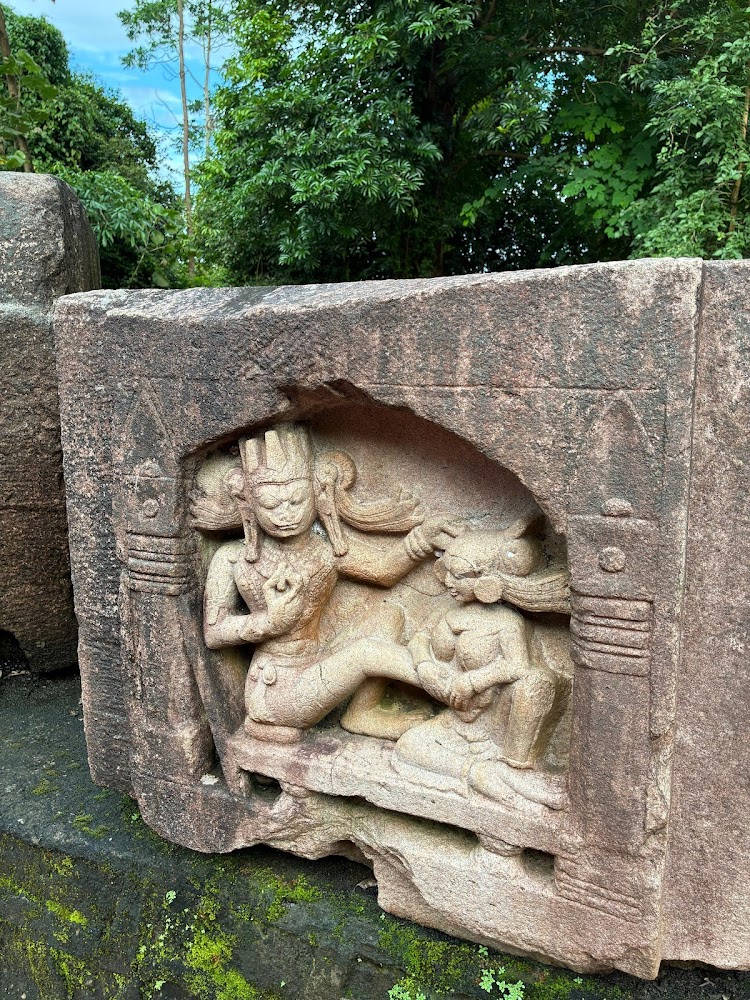
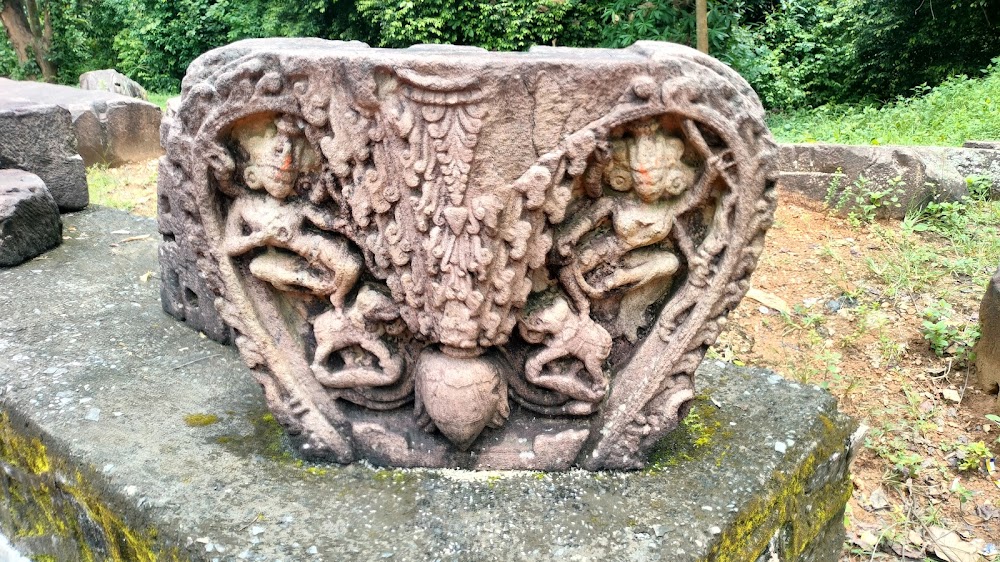
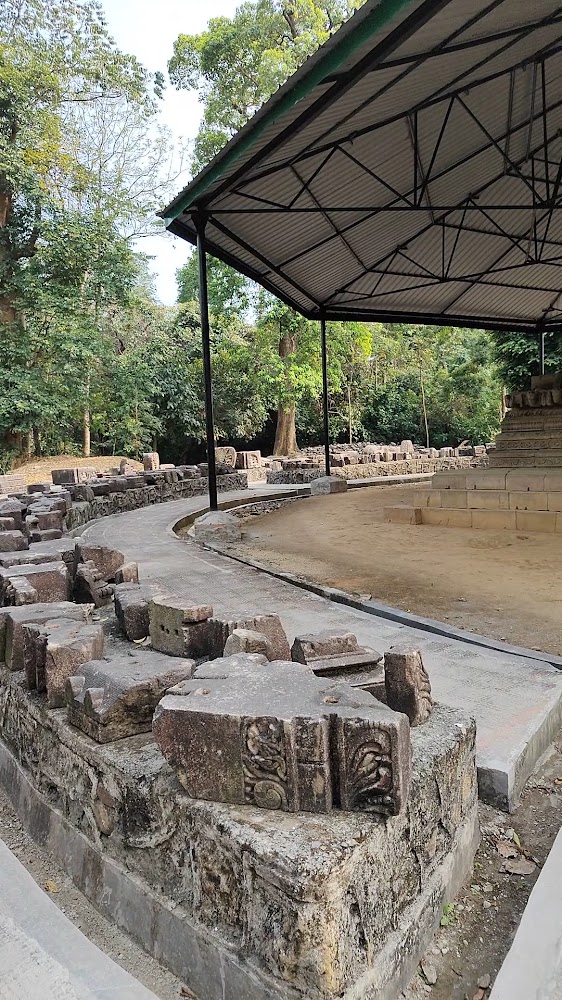
Deopahar Archaeological Site is located on a forested hill close to Numaligarh in Assam’s Golaghat district. The site is known for its scattered stone blocks, carved pillars, and fragments of sculptures believed to date back roughly between the 8th and 12th centuries. Most remains are not part of a standing structure today, but their craftsmanship suggests the presence of an important religious or institutional complex in the past.
The carvings found here show strong Hindu influences, particularly linked to Shaivism and Vaishnavism. Some sculptures and architectural fragments discovered at Deopahar are currently preserved in museums, while many still lie exposed at the hilltop. The absence of large crowds, signage, or heavy restoration gives the site a raw, untouched feel—ideal for travelers interested in history beyond mainstream monuments.
Surrounded by dense greenery and elevated terrain, Deopahar also offers a quiet, reflective atmosphere. It is not a “developed” tourist site, which is exactly its charm. This is a place for slow exploration—walking among ruins, imagining lost structures, and connecting Assam’s landscape with its lesser-known historical layers.
| Location | Google Maps |
|---|
| By Type | Archaeological Site |
|---|
⚠️ This content may be AI-generated and could contain misinformation. If you notice any issue or want to suggest edits, please let us know.