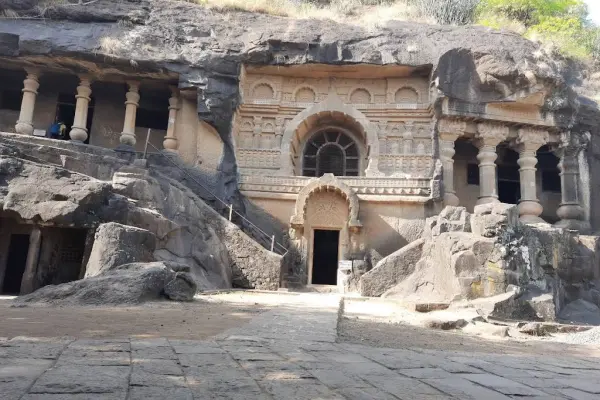
The Pandav Leni Caves, also known as Trirashmi Caves, are a collection of 24 rock-cut Buddhist caves carved into the Trirashmi Hills near Nashik. Despite their name, the caves have no connection to the Pandavas from the Mahabharata but were used by Buddhist monks as monasteries and meditation centers. These caves date back to the period between the 2nd century BCE and the 6th century CE, showcasing influences from Hinayana Buddhism and later Mahayana Buddhism.
Each cave contains sculptures, inscriptions, prayer halls (chaityas), and monasteries (viharas), providing insight into the architectural brilliance of ancient India. The most notable caves include:
Cave 3 (Vihara) – The largest monastery with stone-carved pillars and inscriptions.
Cave 10 (Chaitya) – A prayer hall featuring a stupa and intricate carvings.
Cave 18 – A small but beautifully designed vihara.
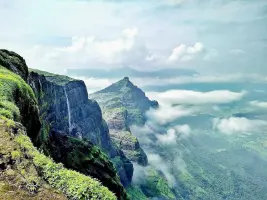
The caves are set in a scenic location, offering a breathtaking view of Nashik city. A short trek of about 20–30 minutes leads to the site, making it a popular destination for history enthusiasts, trekkers, and spiritual seekers.
| Location | Google Maps |
|---|
| Best Time to Visit | October to March (pleasant weather) |
| Timings | 8:00 AM – 5:30 PM |
| Entry Fee | ₹25 for Indians, ₹300 for foreigners |
| Trek Duration | ~20–30 minutes |
| Main Attractions | Rock-cut caves, Buddhist inscriptions, panoramic views |
| Photography | Allowed (no flash inside caves) |
| By Type | Archaeological Site , Heritage Site , Architectural Marvels |
|---|---|
| By Popularity | Historic Popularity , Lesser Known |
| By Location Features | On Hill |
| By Settlement Type | On Outskirts , In Metropolis |
⚠️ This content may be AI-generated and could contain misinformation. If you notice any issue or want to suggest edits, please let us know.