Explore the origin of Himachal's apple revolution
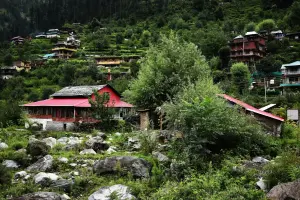
Walk through scenic apple and cherry orchards
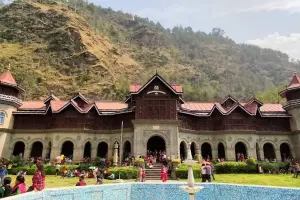
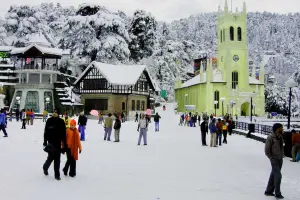
Visit British-era Gorton Mission Church and heritage school
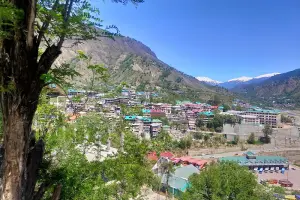
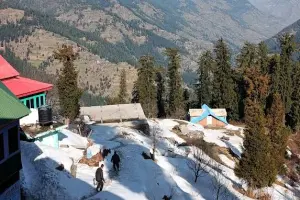
Enjoy stunning panoramic views of snow-covered ranges
Relax in a peaceful rural setting with fresh mountain air
Short forest walks, eco-parks, and offbeat cultural experiences
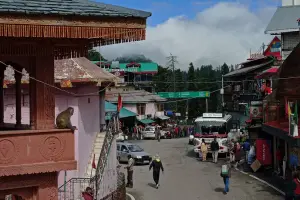
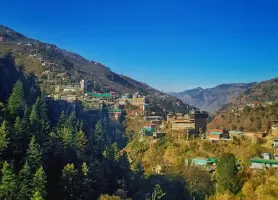
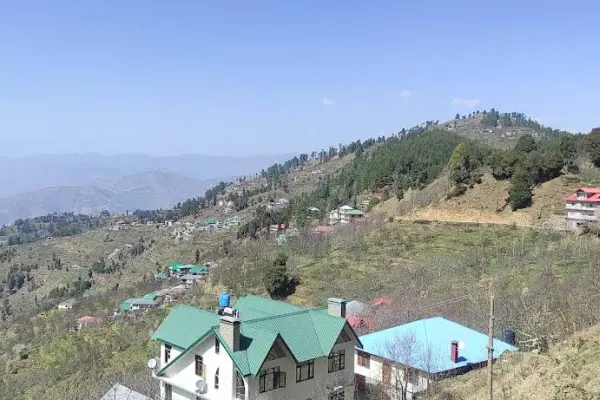
Nestled in the Satluj River valley, Kotgarh is a hidden gem of Himachal Pradesh, located 80 kilometers from Shimla on the old Hindustan-Tibet road. Surrounded by deodar, pine, and fir forests, and terraced apple plantations, this quiet village offers a chance to disconnect from city life and immerse in nature and culture. Rudyard Kipling once called it “The Mistress of the Northern Hills.” The village played a significant historical role as the starting point of India’s apple industry, thanks to American missionary Samuel Stokes, who settled here in the early 1900s.
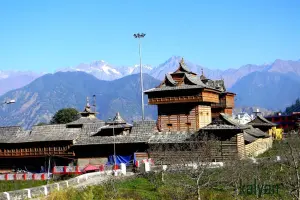
The area offers forest walks, orchard visits, and easy access to spiritual and nature-rich locations like Tani Jubbar Lake and Hatu Top. Local Himachali culture is deeply rooted here, visible in daily village life, festivals, and traditional wooden architecture.
Places to Visit:
Gorton Mission Church and Gorton School
Tani Jubbar Lake and Eco Park
Hatu Peak and Jaubagh Meadows
Thanedhar village
Apple and cherry orchards
Sutlej River valley viewpoints
Things to Do:
Take short walks through deodar forests and orchards
Visit British-era sites like the mission church
Trek or drive to Hatu Peak for panoramic views
Enjoy a peaceful rural stay in homestays or heritage cottages
Learn about apple cultivation and its history
Participate in orchard activities during apple/cherry seasons
Festivals Celebrated:
Local Himachali festivals and fairs
Apple Blossom season in spring (March-April)
Apple Harvest festival (August-September)
Traditional deity worship and village celebrations
Offbeat Activities:
Volunteer at local schools or community farms
Observe traditional Himachali architecture and woodcraft
Nature journaling or photography amid orchards and forests
Interact with local farming families
Attend local cultural rituals and harvest activities
| Location | Google Maps |
|---|---|
| District | Shimla |
| State/UT | Himachal Pradesh |
| By Air | Nearest airport is Jubbarhatti (Shimla Airport), approximately 95 km away. Chandigarh Airport is around 200 km away. |
| By Train | Nearest railway station is Shimla (narrow gauge). From Shimla, Kotgarh is around 80 km by road. |
| By Road | Kotgarh is accessible by road from Shimla via Narkanda. The road diverts from National Highway 5 (NH 22) at Narkanda and leads 17 km to Kotgarh. |
| Besy Way | Drive or take a bus to Narkanda from Shimla, and then hire a taxi or take a local bus to Kotgarh. |
| Local Transportation | Walking is the best way to explore the village. Local buses and shared taxis operate from Narkanda and Thanedhar to Kotgarh. Private taxis are available for trips to nearby spots like Hatu Peak. |
| Peak Season | March to June, September to November |
|---|---|
| Off Season | July to August (monsoon), late December to February (snowbound, but scenic) |
| Weather Conditions | Winter: Cold, snowfall likely in January, chilly evenings
Spring: Pleasant days and blooming apple trees Summer: Warm, dry, occasional showers Monsoon: Mid-July to mid-August, lush but risk of landslides Autumn: Cool and crisp, great for views and outdoor walks |
| Recommended Days |
2 to 3 days Spend the first day exploring the orchards, mission church, and Tani Jubbar Lake. On the second day, trek or drive to Hatu Peak and walk to Jaubagh Meadows. Use the third day to unwind in the village, visit local homes, or explore nearby Thanedhar and surrounding countryside. |
|---|---|
| Budget Estimate |
₹1500 – ₹3000 per person per day (budget to mid-range) Homestays and orchard-view guesthouses range from ₹800 to ₹2000 per night. Meals are locally sourced and simple, costing ₹200–₹400 per day. Local taxis or buses are affordable, with minimal expenses for walking trails and sightseeing. |
| Languages Spoken |
Hindi and Pahari are commonly spoken. English is understood at most homestays and by school-educated locals. |
| By Type | Village |
|---|
⚠️ This content may be AI-generated and could contain misinformation. If you notice any issue or want to suggest edits, please let us know.