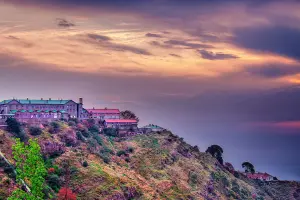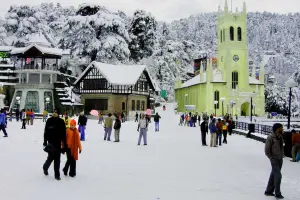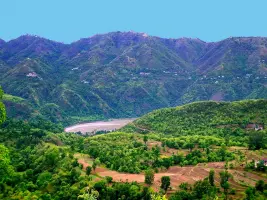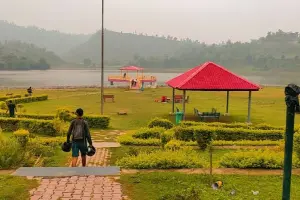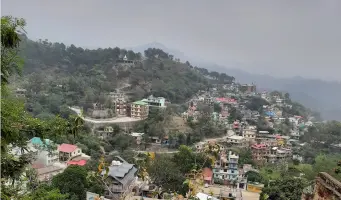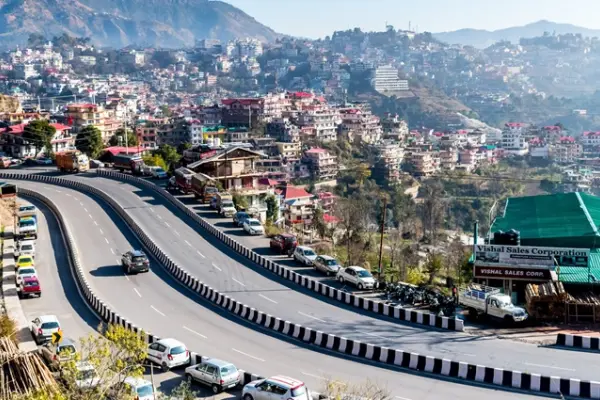
Nestled in the Himalayan foothills, Solan is a scenic hill town known for its moderate climate, colonial heritage, and agricultural significance. Named after Goddess Shoolini Devi, the town celebrates the Shoolini Fair in June, a grand festival dedicated to its presiding deity.
Before becoming a British cantonment in the early 19th century, Solan served as the capital of the princely state of Baghat. It played a significant role in history when the British drove out the Gurkha forces in 1815 and established strategic cantonments in Dagshai, Kasauli, Jutogh, and Solan.
Today, Solan is the district headquarters and a gateway to nearby hill stations such as Kasauli, Chail, Dagshai, Nalagarh, Arki, Rajgarh, and Kandaghat. The town is famous for its mushroom and tomato cultivation, earning it the titles "Mushroom City of India" and "City of Red Gold" (for tomatoes).
With its pleasant climate, rich history, and agricultural significance, Solan is a hidden gem for travelers seeking a peaceful and culturally rich hill town experience. 🍄🌿
| Location | Google Maps |
|---|---|
| District | Solan |
| State/UT | Himachal Pradesh |
| By Air | The nearest airports are in Chandigarh and Shimla. From there, Solan is accessible by road. |
| By Train | Solan is on the narrow-gauge Kalka-Shimla railway line, making it easily accessible by train. The nearest broad-gauge station is Kalka, from where travelers can take the toy train or road transport to reach Solan. |
| By Road | Solan is well-connected by road with Delhi, Chandigarh, and Shimla. Regular luxury, deluxe, and ordinary buses ply on these routes. |
| By Type | Town |
|---|
⚠️ This content may be AI-generated and could contain misinformation. If you notice any issue or want to suggest edits, please let us know.