Explore the Largest Mangrove Forest in the World – A rare and breathtaking landscape.
Spot the Royal Bengal Tiger – One of the last strongholds of this majestic predator.
Experience Unique Wildlife – Crocodiles, Gangetic dolphins, rare birds, and diverse aquatic life.
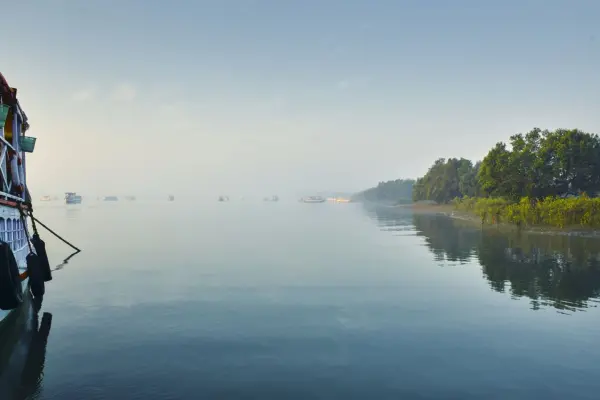
Boat Safaris & River Cruises – Navigate through serene backwaters and narrow creeks.
A UNESCO World Heritage Site – A must-visit for nature and wildlife enthusiasts.
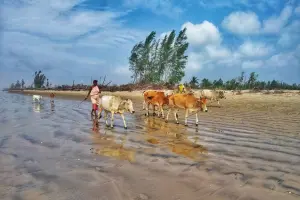
Rich Culture & Local Villages – Experience the unique lifestyle of the Sundarbans people.
The Sundarbans National Park is part of the largest delta in the world, stretching across India and Bangladesh. The Indian portion covers around 4,200 sq km and is a labyrinth of tidal rivers, small islands, and dense mangrove forests. The name "Sundarbans" is derived from the Sundari tree, a dominant mangrove species found in the region.
Sundarbans is world-famous for being the home of the elusive Royal Bengal Tiger, which has adapted to a semi-aquatic lifestyle and is known for its ability to swim long distances. Apart from tigers, the region is inhabited by saltwater crocodiles, Indian python, wild boars, spotted deer, water monitor lizards, Gangetic dolphins, and various rare birds like the masked finfoot and brown-winged kingfisher.
The entire ecosystem is tidal and constantly changing due to the rise and fall of sea levels. Many villages within the Sundarbans rely on fishing, honey collection, and agriculture, but they also face challenges from frequent cyclones and the risk of tiger attacks.
Unlike traditional national parks, Sundarbans can only be explored by boat, making it one of the most unique wildlife experiences in the world. Tourists can go on thrilling boat safaris, passing through creeks and spotting wildlife from observation towers. Popular entry points include Gosaba, Sajnekhali, and Godkhali, where guided tours and boat rentals are available.
| Location | Google Maps |
|---|---|
| District | South 24 Parganas |
| State/UT | West Bengal |
| By Air | Nearest airport: Netaji Subhash Chandra Bose International Airport, Kolkata (120 km). |
| By Train | The nearest railway station is Canning, about 48 km from Sundarbans. |
| By Road | Drive or take a bus to Godkhali, the main entry point. From there, boats take you into Sundarbans. |
| Besy Way | From Kolkata: Take a train or bus to Canning, then a shared vehicle to Godkhali, followed by a boat ride. |
| Local Transportation | Boats & Ferries: The primary mode of transport for tourists and locals. Cycle Rickshaws & Walks: Available in villages and small inhabited islands. |
| Peak Season | October to March (pleasant weather, best for safaris and sightseeing). |
|---|---|
| Off Season | June to September (heavy monsoons, risk of cyclones). |
| Weather Conditions | Summer (March – May): 25°C – 38°C, hot and humid. Monsoon (June – September): 24°C – 35°C, heavy rainfall and occasional storms. Winter (October – February): 12°C – 25°C, best season to visit with comfortable weather. |
| Recommended Days |
2–3 Days Day 1: Arrive at Godkhali, take a boat to Sajnekhali, and visit the watchtower and museum. Day 2: Full-day boat safari covering Dobanki, Sudhanyakhali, and Netidhopani watchtowers. Day 3: Visit local villages, Pakhiralay bird island, and return. |
|---|---|
| Budget Estimate |
₹2,500 – ₹10,000 per day Budget Travelers: ₹2,500 – ₹4,000 per day (group boat tours, budget lodges, local food). Mid-range Travelers: ₹5,000 – ₹8,000 per day (private boat safari, better accommodations). Luxury Travelers: ₹10,000+ per day (premium houseboats, guided luxury tours). |
| Languages Spoken |
Bengali is the primary language, but Hindi and English are understood in tourist areas. |
⚠️ This content may be AI-generated and could contain misinformation. If you notice any issue or want to suggest edits, please let us know.