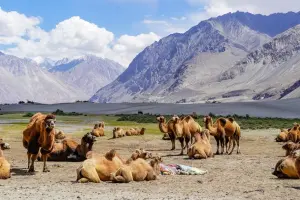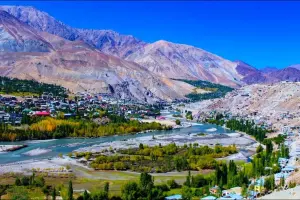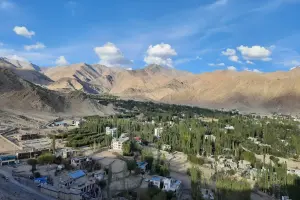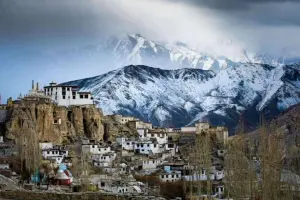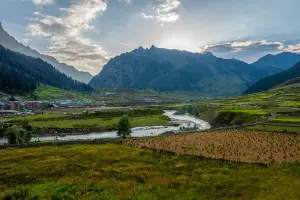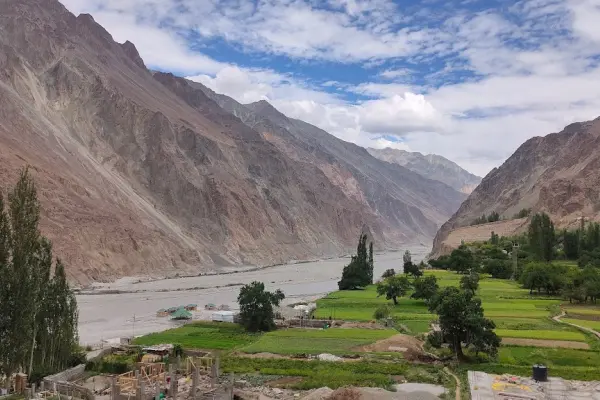
Located on the banks of the Shyok River, Turtuk is a picturesque and culturally distinct village in Ladakh, near the India-Pakistan border. Unlike the barren landscapes of Ladakh, Turtuk is green and fertile, with terraced fields and fruit orchards. The village has well-preserved wooden houses, ancient mosques, and Buddhist chortens, symbolizing the blend of Balti and Ladakhi traditions. Visitors can enjoy the tranquility of this offbeat destination while exploring its rich history and natural beauty.
| Location | Google Maps |
|---|---|
| District | Leh |
| State/UT | Ladakh |
| By Air | The nearest airport is in Leh, around 205 km away. |
| By Train | No railway connectivity. The nearest major railway station is Jammu Tawi (over 900 km away). |
| By Road | Turtuk is accessible from Leh via Khardung La Pass and Nubra Valley. The road journey from Leh to Turtuk takes around 7 to 8 hours (205 km). |
| Besy Way | The best way to reach is by road from Leh via Hunder and Nubra Valley. Private taxis and rental bikes are the most convenient options. |
| Local Transportation | Walking is the best way to explore the village, as it is small and has no dedicated transport system. |
| Peak Season | May to September (Pleasant weather, best for sightseeing and cultural experiences) |
|---|---|
| Off Season | November to March (Harsh winter conditions, heavy snowfall, and restricted access) |
| Weather Conditions | Summer (May to September): Pleasant and cool (10°C to 25°C) Winter (November to February): Extremely cold, often dropping below -10°C Monsoon (July to August): Minimal rainfall, but landslides can occur on the route |
| Recommended Days |
1 to 2 days A one-day trip is enough to explore the village and its cultural highlights, but staying for two days allows for deeper cultural immersion and scenic hikes around the valley. |
|---|---|
| Budget Estimate |
₹2,500 to ₹6,000+ per person Budget travelers can stay in homestays for ₹800 to ₹2,000 per night. Mid-range travelers can find comfortable guesthouses for ₹2,500 to ₹5,000 per night. Meals and transport costs vary, but a trip can be managed affordably. |
| Languages Spoken |
Balti, Ladakhi, Hindi, English |
⚠️ This content may be AI-generated and could contain misinformation. If you notice any issue or want to suggest edits, please let us know.