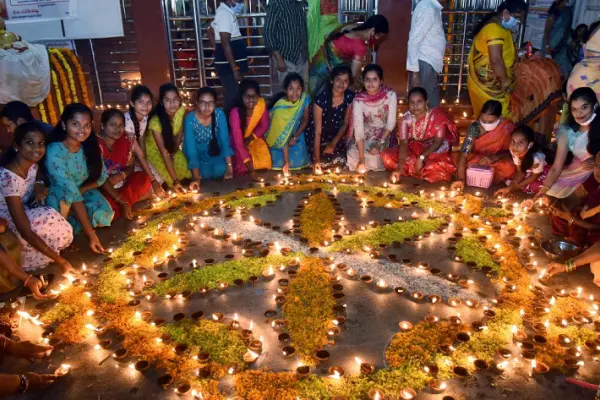
Kartik Purnima is one of the holiest days in the Hindu calendar and is considered highly sacred for performing religious activities, including taking holy dips in rivers, performing charity, and worshipping deities. It is believed that on this day, Lord Vishnu incarnated as Matsya (his first avatar), and Lord Shiva destroyed the demon Tripurasura, an event celebrated as Tripuri Purnima. The day is also observed as Deva Diwali, as it is believed that the gods celebrate their own version of the festival of lights on this day.
Tripuri Purnima (due to Lord Shiva’s victory over Tripurasura)
Deva Diwali (the festival of lights celebrated by gods)
Victory of Lord Shiva: According to Hindu mythology, Kartik Purnima marks the day when Lord Shiva destroyed the demon Tripurasura, who had conquered all three worlds. This event is called Tripura Samhara, and the day is known as Tripuri Purnima.
Deva Diwali: It is believed that on this day, the gods in heaven celebrate Diwali, lighting up their divine realm to honor Lord Shiva’s victory.
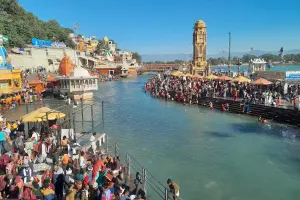
Sacred River Bathing: Kartik Purnima is one of the most auspicious days to take a holy dip (Kartik Snan) in sacred rivers like the Ganga, Yamuna, Godavari, Krishna, and Kaveri, believed to cleanse sins and grant salvation.
Vishnu Worship: Kartik month is dedicated to Lord Vishnu, and his devotees perform special prayers and pujas on this day.
Jain & Sikh Significance:
In Jainism, Kartik Purnima is associated with Lord Adinath (Rishabhanatha), the first Tirthankara.
In Sikhism, the day often coincides with Guru Nanak Jayanti, marking the birth of Guru Nanak Dev Ji, the founder of Sikhism.
Kartik Purnima is the most sacred full moon day in Hinduism, marking the end of the Kartik month, which is considered highly auspicious.
It is believed that charity and religious acts performed on this day bring immense spiritual merit (Punya).
Bathing in holy rivers on this day is considered as significant as performing thousands of Ashwamedha Yajnas (horse sacrifices).
The festival's origins trace back to ancient Hindu scriptures and texts like the Puranas (Skanda Purana, Padma Purana), which emphasize the sanctity of Kartik month and the importance of Kartik Snan and Tripuri Purnima. Over time, different regions developed unique traditions associated with this day.
Holy River Bathing (Kartik Snan):
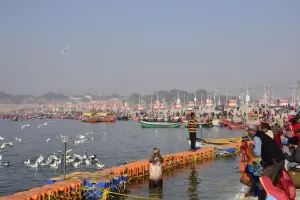
Devotees take an early morning dip in rivers like the Ganga, Yamuna, Godavari, and Kaveri.
The belief is that it washes away sins and grants moksha (liberation).
Deep Daan (Lighting Lamps):
Temples, riverbanks, and homes are decorated with thousands of earthen lamps (diyas).
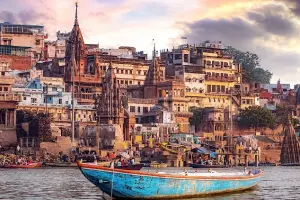
Varanasi’s Deva Diwali is the grandest example, where lakhs of lamps are lit along the Ganga Ghats.
Special Pujas and Rituals:
Vishnu and Shiva temples witness elaborate rituals.
Some people perform Satyanarayan Katha and offer prayers to Lord Kartikeya (son of Shiva).
Charity and Donations:
Devotees donate food, clothes, and money to the poor and Brahmins.
Annadanam (free food distribution) is common in temples and religious sites.
Pushkar Mela (Fair in Rajasthan):
The famous Pushkar Camel Fair in Rajasthan culminates on Kartik Purnima.
Devotees take a dip in the Pushkar Lake and worship Lord Brahma.
Deva Diwali in Varanasi:
Celebrated with grand Ganga Aarti, cultural performances, and fireworks.
Considered the most significant Deva Diwali celebration in India.
Cattle Fairs & Melas:
Large fairs and cattle markets are held in Bihar, Uttar Pradesh, and Rajasthan.
Pilgrims visit Haridwar, Prayagraj, and Rishikesh for rituals.
Varanasi, Uttar Pradesh: Grandest Deva Diwali celebrations at Ganga Ghats.
Pushkar, Rajasthan: Pushkar Mela, one of the largest cattle fairs in the world.
Haridwar & Prayagraj: Devotees take dips in Ganga and Yamuna Rivers.
Odisha & West Bengal: Worship of Jagannath and Kartikeya.
Maharashtra & Gujarat: Observed with Vishnu pujas and temple visits.
Deva Diwali (celebrated in Varanasi on the same day)
Tulsi Vivah (linked to Kartik month rituals)
Pushkar Mela (culminates on Kartik Purnima)
Guru Nanak Jayanti (if it coincides with Kartik Purnima)
| By Type | Festival , Cultural Festivals , Hindu Festivals |
|---|---|
| By Scale | National |
| By Duration | Single-Day |
| By Frequency | Yearly |
⚠️ This content may be AI-generated and could contain misinformation. If you notice any issue or want to suggest edits, please let us know.