Nowruz, also known as Jamshedi Navroz, marks the Persian New Year and is a festival of renewal, prosperity, and nature’s rebirth. Rooted in Zoroastrian traditions, it is celebrated by Parsis and Iranians in India and many communities across West Asia, Central Asia, and the Indian subcontinent. The festival signifies the spring equinox, when day and night are equal, bringing balance to nature and human life.
Ancient Persian Festival: Nowruz has been celebrated for over 3,000 years, originating in the Achaemenid Empire (550–330 BCE) in Persia.
Zoroastrian Influence: It is rooted in Zoroastrianism, an ancient Persian religion that honors fire, light, and purity.
King Jamshed’s Legacy: Indian Parsis associate Nowruz with King Jamshed of Persia, who is believed to have introduced the solar calendar and Nowruz as the New Year’s festival.
Over time, Nowruz spread to West Asia, Central Asia, the Caucasus, and South Asia, influencing cultural traditions in India.
Falls on the Spring Equinox (around March 20-21 every year).
It marks the first day of Farvardin, the first month in the Iranian solar calendar.
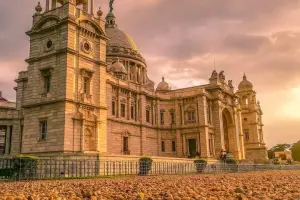
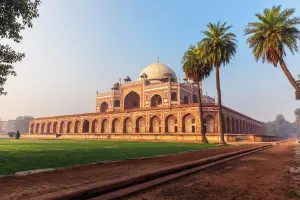
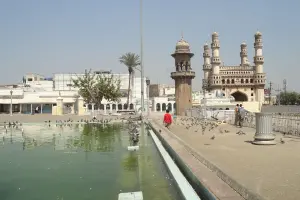
In India, Nowruz is mainly celebrated by the Parsis (Zoroastrians) and the Iranian community, especially in cities with a significant Parsi population like Mumbai, Pune, Gujarat, Hyderabad, and Kolkata. The festival is observed with a blend of spiritual, cultural, and social customs that emphasize purity, prosperity, and good deeds.
Homes are thoroughly cleaned and decorated, symbolizing the removal of old energy and misfortune.
Some families paint their houses, arrange fresh flowers, and put up festive decorations.
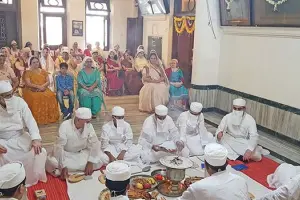
Parsis visit fire temples to offer prayers to Ahura Mazda (the Zoroastrian deity) and seek blessings.
They perform Jashan (thanksgiving prayers), asking for health, wealth, and happiness in the new year.
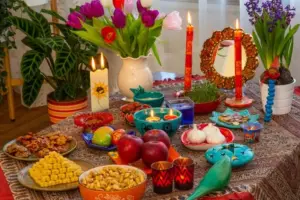
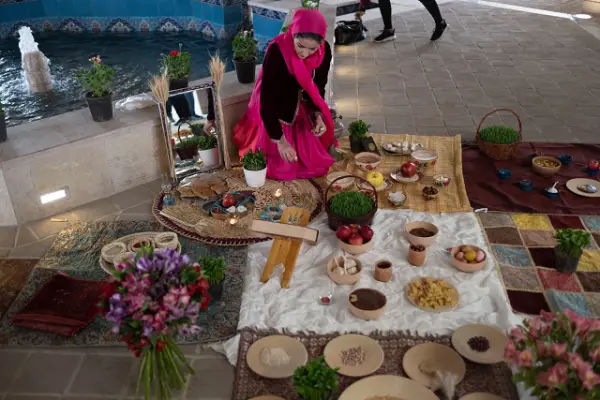
A traditional Persian table setting with seven items starting with "S" in Persian, representing different virtues of life:
| Item | Meaning |
|---|---|
| Sabzeh (Sprouts) | Growth and renewal |
| Senjed (Dried Lotus Fruit) | Wisdom and love |
| Sib (Apple) | Health and beauty |
| Seer (Garlic) | Protection from evil |
| Samanu (Sweet Pudding) | Strength and patience |
| Serkeh (Vinegar) | Longevity and wisdom |
| Sumac (Red Berries) | Sunrise and victory over darkness |
Some also include a mirror (symbolizing self-reflection), goldfish (representing life), and candles (for light and knowledge).
Food plays an important role in Nowruz celebrations in India. Some common festive dishes include:
Ravo – A sweet dish made with semolina, milk, and sugar.
Patra ni Machi – Fish wrapped in banana leaves, steamed with spices.
Sali Boti – Parsi mutton curry with crispy potato straws.
Pulav & Meats – Aromatic rice dishes with saffron and dry fruits.
Falooda – A cooling drink made with milk, rose syrup, and vermicelli.
Many Parsis visit family and friends, exchanging gifts and sweets.
Nowruz encourages charity, kindness, and good deeds. Many Parsis donate food, clothes, and money to the needy and offer help to underprivileged families.
Many Parsi communities in Mumbai, Gujarat, and Kolkata host cultural events, including:
Traditional music and dance performances
Community gatherings with storytelling, poetry, and prayers
Sports competitions and fairs
Mumbai & Gujarat – The largest Parsi population celebrates it with enthusiasm.
Delhi & Hyderabad – Home to smaller Iranian communities who observe the day.
Kolkata & Pune – Parsi communities hold special events and prayers.
Nowruz is not a nationwide public holiday in India, but it is:
A regional public holiday in Jammu & Kashmir, where Shia Muslims and some Sunni communities observe it.
A restricted holiday for government employees and Parsi communities.
| By Type | Festival , New Year Festivals , Cultural Festivals , Zoroastrian Festivals , Muslim Festivals |
|---|---|
| By Scale | International |
| By Duration | Single-Day |
| By Frequency | Yearly |
⚠️ This content may be AI-generated and could contain misinformation. If you notice any issue or want to suggest edits, please let us know.