

In Hindu philosophy, the universe is believed to be made from five basic elements called the Pancha Bhootas: Earth (Prithvi), Water (Apas), Fire (Agni), Air (Vayu), and Space (Akasha). Shaivite traditions connect these elements with five important Shiva temples in South India, each symbolizing one element.
These temples are located in Tamil Nadu and Andhra Pradesh, and together they form an important pilgrimage circuit known as the Pancha Bhoota Sthalam. Each temple expresses its element through architecture, natural features, or rituals associated with the Shiva lingam.
Many pilgrims try to visit all five temples as a spiritual journey representing the balance of nature and the universe. Even for travelers interested in history and temple architecture, these sites provide insight into Dravidian temple design, Chola-era heritage, and living religious traditions.
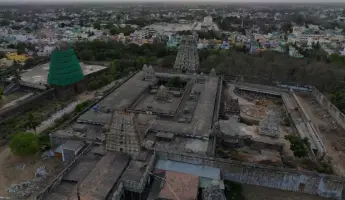
One of the largest Shiva temples in India, famous for its ancient mango tree and as the Earth element temple among the Pancha Bhoota temples.
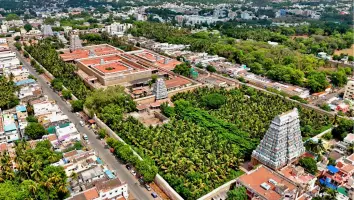
One of the Pancha Bhoota temples of Lord Shiva representing the element of water, famous for its underground spring that keeps the sanctum perpetually moist.
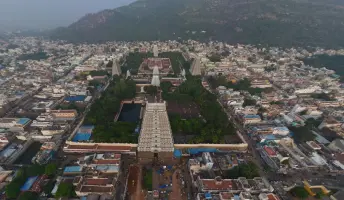
One of the largest and most sacred Shiva temples in India, famous for the Arunachala hill and the massive Karthigai Deepam festival.
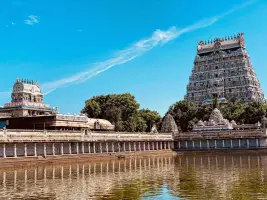
One of the most important Shiva temples in India, famous for depicting Lord Shiva as Nataraja—the cosmic dancer—and for the mysterious “Chidambara Rahasyam”.
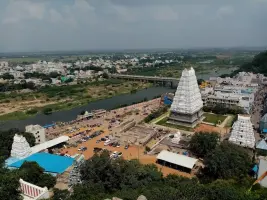
A famous ancient Shiva temple known as the Vayu (Air) Lingam among the Pancha Bhoota temples and a major pilgrimage site near Tirupati.
The Pancha Bhoota temples are not only religious sites but also important centers of South Indian temple architecture, Shaivite philosophy, and traditional festivals. Many travelers combine these temples into a multi-day journey across Tamil Nadu and Andhra Pradesh.
For those interested in temple culture, visiting these sites also offers exposure to Dravidian architecture, temple rituals, classical dance traditions, and ancient pilgrimage routes that have been active for centuries.