
A tourist’s first day in Delhi turned into a nightmare of scams—overpriced rides, fake markets, and a stolen phone. Read his experience and learn how to avoid similar pitfalls.
For many travelers, India is a destination full of vibrant culture, ancient history, and breathtaking sights. But for one U.S. tourist, the first day in Delhi became an unsettling introduction to scams that travelers often encounter. His story is a reminder that staying alert is just as important as enjoying the journey.
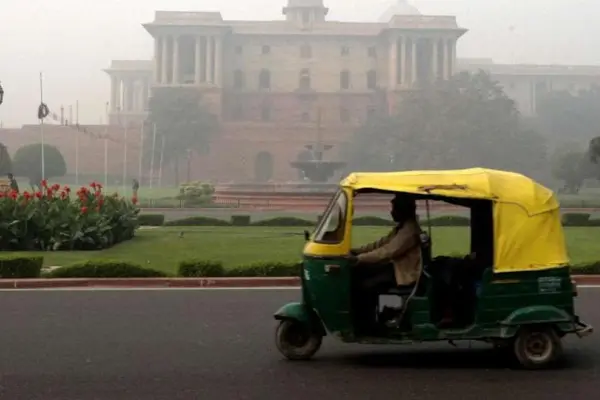
The day began with what seemed like a harmless tuk-tuk ride from Aerocity. The driver agreed to take him to a market for ₹400. On the way, however, the driver claimed the market was closed and diverted him elsewhere.
At the new stop, a coconut vendor charged ₹700 for a single coconut. The next stop was a clothing shop where a few basic items came to ₹5000. By the time the ride was over, the driver demanded nearly $200 (~₹16,500), far more than the agreed fare.
Lesson learned: negotiate the fare before getting in, and whenever possible, use Uber or Ola instead of hiring directly from the street.
Later, the tourist went searching for a spa. Unable to find one, he accepted help from a stranger who led him to a suspicious upstairs “spa.” The receptionist processed his card through a nearby clothing shop, raising obvious red flags.
The massage was poor, and the staff quickly began offering “extra services.” When he refused and asked for a refund, his phone mysteriously disappeared—only to be “found” in a water bucket after a heated confrontation with the so-called manager.
Lesson learned: avoid accepting random recommendations. Stick to well-reviewed spas and wellness centers.
Even at his hotel, problems continued. Staff consistently avoided giving proper change when he paid with larger bills. Instead, they pressured him to accept short returns or treat the difference as a tip. Something as simple as paying for services became another way to exploit him.
Lesson learned: always carry smaller denominations and insist on exact change.
While scams exist worldwide, certain patterns are common in Delhi and other big cities. Travelers can reduce risks by following a few practical steps:
Use Uber/Ola instead of negotiating with tuk-tuks on the street.
Do not trust unsolicited “help” from strangers.
Avoid shops or restaurants where tuk-tuk drivers insist on taking you.
Check online reviews before visiting spas, shops, or tour operators.
Carry small bills to avoid being overcharged or denied change.
If a serious scam occurs, involve the local police or your embassy.
By the end of his first day, this traveler was left drained and questioning whether to continue his month-long trip in India. His experience shows how quickly excitement can turn into frustration when scams overshadow the journey.
Delhi remains a fascinating city with endless things to explore, but like any major tourist hub, it requires awareness. Staying cautious, planning ahead, and recognizing red flags can ensure that a trip remains memorable for the right reasons.
(Source : Reddit, ChatGPT)⚠️ This content may be AI-generated and could contain misinformation. If you notice any issue or want to suggest edits, please let us know.






Comments