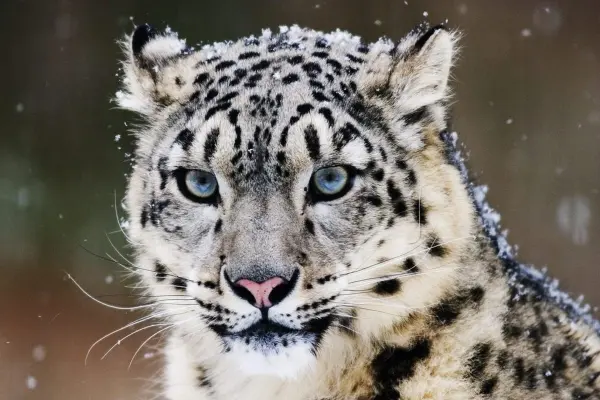
The Snow Leopard (Panthera uncia) is one of the most elusive and majestic predators in the world, earning the nickname “Ghost of the Himalayas” due to its rare sightings and ability to blend seamlessly into the rugged mountain landscapes. Found at altitudes of 3,000 to 5,500 meters in the Himalayas, Ladakh, and high-altitude regions of North India, this solitary and highly adapted big cat is a dream sighting for wildlife travelers.
With a thick, smoke-gray coat adorned with black rosettes, powerful limbs, and a long bushy tail for balance, the snow leopard is perfectly designed for survival in freezing, rocky terrain. Unlike other big cats, it cannot roar but communicates through growls, meows, and chuffing sounds. Snow leopards are rarely seen, making any sighting an ultimate wildlife travel experience in India.
✅ Once-in-a-Lifetime Sighting – Extremely rare, found only in India's remote highlands.
✅ Ultimate Wildlife Safari Adventure – Requires trekking in harsh, snowy landscapes.
✅ Majestic & Elusive Predator – One of the most mysterious and beautiful big cats.
✅ Only Found in the Himalayas – A symbol of India's high-altitude wilderness.
✅ Supports Conservation Tourism – Visiting helps fund snow leopard conservation efforts.
✔ Best Time to Visit – Winter (December to March) when they descend to lower altitudes.
✔ Go with Expert Naturalists – Specialized wildlife guides increase your chances of sightings.
✔ Use High-Power Binoculars – Snow leopards are well-camouflaged and often seen from a distance.
✔ Be Patient & Prepared – Snow leopard tracking requires days of trekking in extreme cold.
✔ Visit Snow Leopard Festivals – Ladakh hosts events celebrating snow leopard conservation.
Spotting a snow leopard in the wild is one of the most difficult yet rewarding wildlife experiences in India. The sheer thrill of trekking through the Himalayas, the excitement of tracking paw prints in the snow, and the once-in-a-lifetime chance to see one of the rarest big cats on Earth make this an adventure every wildlife enthusiast must experience! 🏔️🐆❄️
| By Behavior & Lifestyle | Nocturnal Species , Predators & Carnivores |
|---|---|
| By Geographic Region | Himalayan Wildlife |
| By Conservation Status | Vulnerable |
| By Natural Habitat | Terrestrial Species |
| By Type | Big Cats |
⚠️ This content may be AI-generated and could contain misinformation. If you notice any issue or want to suggest edits, please let us know.