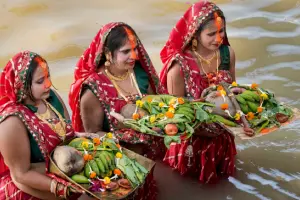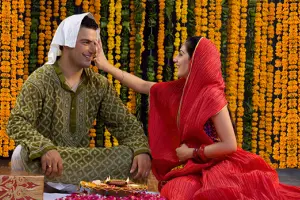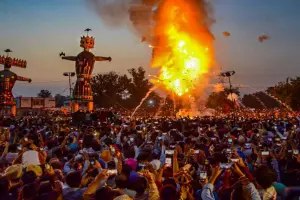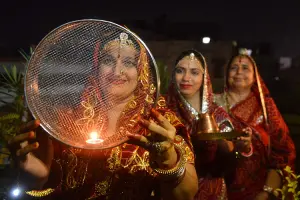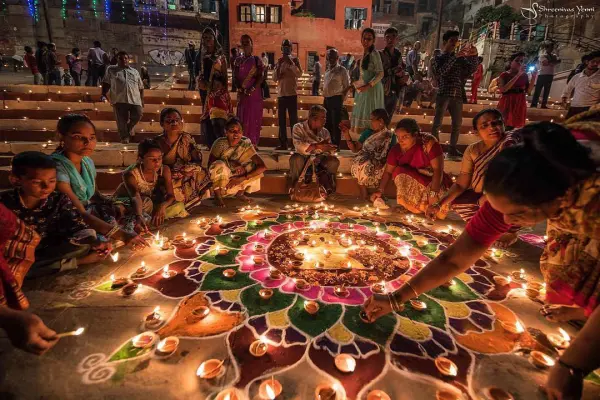
Diwali, also called Deepavali (meaning “row of lamps”), is one of India’s most important and widely celebrated festivals. It usually takes place between October and November, depending on the lunar calendar. For millions of Indians, Diwali marks a time of joy, renewal, and togetherness—much like Christmas in the West, but with its own unique traditions.
The Story Behind It
Diwali’s origins vary across regions and religions in India, but one of the most popular legends comes from the Hindu epic Ramayana: it celebrates the return of Lord Rama to his kingdom after 14 years in exile and his victory over the demon king Ravana. People lit oil lamps to welcome him home, symbolizing the triumph of light over darkness and good over evil.
Other communities associate Diwali with:
The worship of Goddess Lakshmi, the deity of wealth and prosperity.
Lord Krishna’s defeat of the demon Narakasura.
The Jain celebration of Lord Mahavira’s spiritual liberation.
Sikh remembrance of Guru Hargobind’s release from imprisonment.
How It’s Celebrated
Diwali is not just one night—it’s usually a five-day festival:
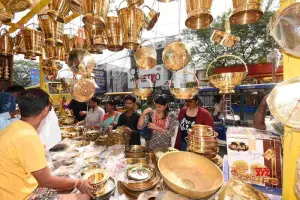
Dhanteras – People buy gold, silver, or utensils as a sign of good fortune.
Chhoti Diwali – Homes are cleaned and decorated; small lamps are lit.
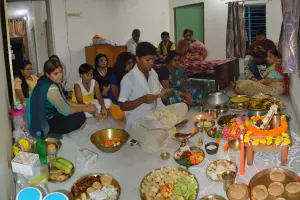
Main Diwali Night – Families perform Lakshmi Puja (prayers to Goddess Lakshmi), decorate with candles and clay lamps (diyas), and burst fireworks.
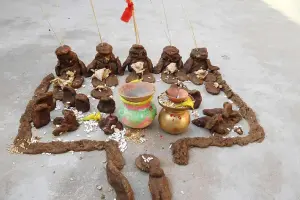
Govardhan Puja – In some regions, this day honors Lord Krishna’s protection of his devotees.
Bhai Dooj – A day celebrating the bond between brothers and sisters.
During Diwali, you’ll see streets glowing with lights, homes adorned with colorful rangoli (patterns made from colored powders or flowers), and the air filled with the aroma of sweets like laddoos and barfis. Families exchange gifts, wear new clothes, and visit friends and relatives.
Beyond Religion
While rooted in Hindu tradition, Diwali is celebrated by Jains, Sikhs, Buddhists (in some regions), and even non-religious people across India and the Indian diaspora worldwide. In multicultural cities like Singapore, London, and Toronto, Diwali often becomes a community-wide event.
Why It’s Special to Experience
For a visitor, Diwali is a sensory feast:
Visual – Thousands of lamps and fireworks lighting up the night sky.
Taste – A variety of rich, festive foods and sweets.
Sound – The buzz of celebrations, music, and fireworks.
Emotion – The warmth of hospitality and the sense of community.
It’s more than a festival—it’s a celebration of hope, positivity, and fresh beginnings.
| By Type | Festival , Historical Festivals , Hindu Festivals |
|---|---|
| By Scale | National |
| By Duration | Week-Long |
| By Frequency | Yearly |
⚠️ This content may be AI-generated and could contain misinformation. If you notice any issue or want to suggest edits, please let us know.