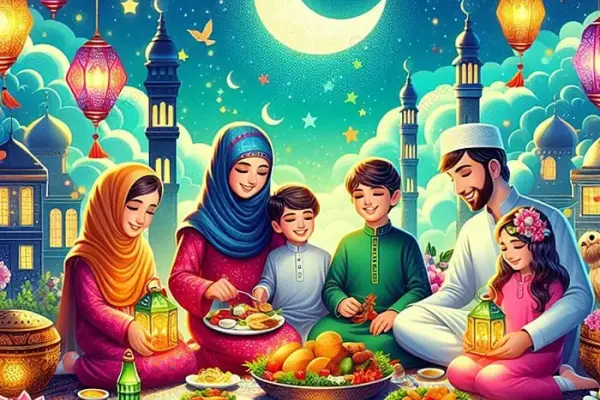
Eid-ul-Fitr, also known as Ramzan Id, is an important Islamic festival marking the end of Ramadan, the holy month of fasting. It is a day of celebration, gratitude, and charity, observed by Muslims worldwide. The festival signifies the completion of a month of self-discipline, spiritual reflection, and devotion to Allah.
How is Eid-ul-Fitr Celebrated?
1. Chand Raat (Night Before Eid)
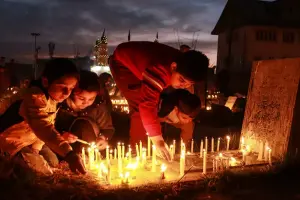
- Families gather to spot the moon, confirming the arrival of Eid.
- Markets bustle with people buying new clothes, sweets, and henna for celebrations.
2. Eid Morning Prayers
- Muslims wake up early, perform ritual cleansing (Ghusl), and wear new or best clothes.
- They attend a special Eid prayer (Salat al-Eid) at mosques or open grounds.
3. Zakat al-Fitr (Charity Giving)
- A mandatory donation (Fitrana) is given to the poor before the Eid prayer to ensure that everyone can celebrate Eid.
4. Feasting & Sweets
- Families and friends gather for grand meals, featuring dishes like:
- Sheer Khurma (sweet vermicelli pudding)
- Biryani, kebabs, and desserts
- Dates and special Eid sweets
5. Visiting & Greeting
- People greet each other with "Eid Mubarak" and exchange gifts.
- Elders give Eidi (money or gifts) to children.
Significance of Eid-ul-Fitr
- Marks the end of Ramadan, a month of fasting, prayer, and self-reflection.
- Promotes gratitude and sharing, encouraging Muslims to help the needy.
- Strengthens community bonds, bringing people together in celebration.
Where is Eid Celebrated?
- Globally – Eid is observed by Muslims worldwide in mosques, homes, and community centers.
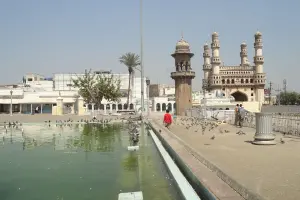
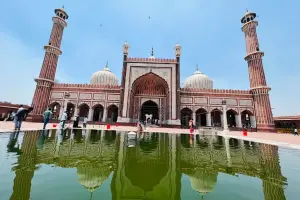
- In India – Major celebrations happen in cities like Delhi (Jama Masjid), Mumbai (Haji Ali), Hyderabad (Mecca Masjid), and Lucknow (Bara Imambara).
Why Experience Eid-ul-Fitr?
- A chance to witness vibrant cultural and religious celebrations.
- Experience diverse Eid cuisines and festive markets.
- Participate in community gatherings and charity drives.