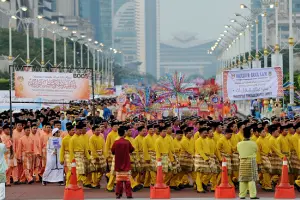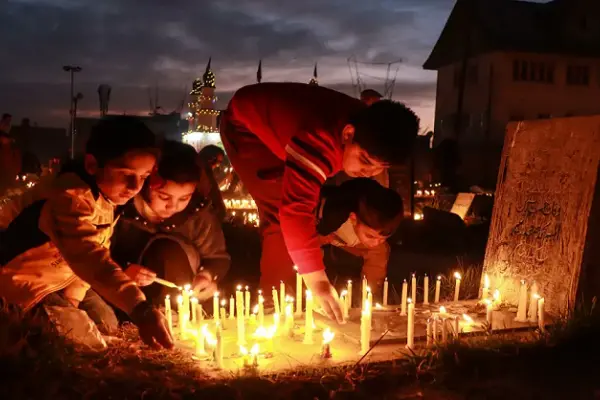
Shab-e-Barat, meaning the "Night of Forgiveness", is observed on the 15th night of Sha’ban, the eighth month of the Islamic calendar. It is believed to be a night when Allah decides people's fate for the coming year and forgives sins. Many Muslims engage in prayers, Quran recitations, charity, and visiting graves of deceased loved ones.
Shab-e-Barat is widely observed across India, especially in states with significant Muslim populations, such as Uttar Pradesh, Maharashtra, West Bengal, Telangana, Karnataka, and Kerala.
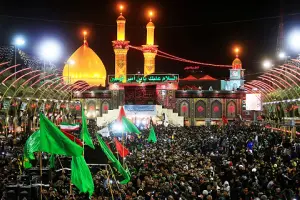
Night Prayers (Ibadat) – Special Nawafil (voluntary prayers) are performed in mosques and homes.
Seeking Forgiveness – Devotees repent for their sins and pray for blessings.
Visiting Graveyards (Ziyarat-e-Qabristan) – People visit the graves of their ancestors to pray for their souls.
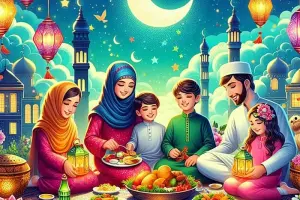
Charity & Food Distribution – Many prepare special meals and sweets (Halwa, Roti, Kheer) to distribute among the poor and neighbors.
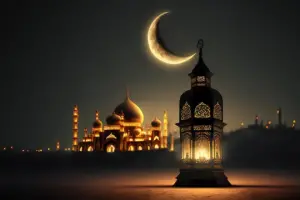
Illuminations & Decorations – Some areas light up mosques and homes with candles and lamps.
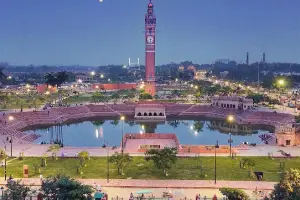
Lucknow, Uttar Pradesh – Large gatherings at historic mosques and cemeteries.
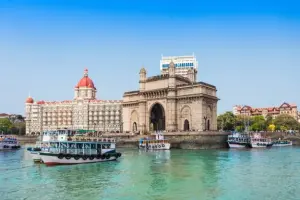
Mumbai, Maharashtra – Celebrations in areas like Dongri, Bhendi Bazaar, and Mohammed Ali Road.
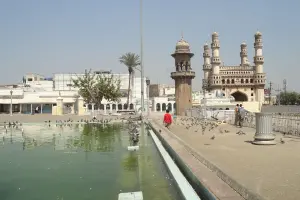
Hyderabad, Telangana – Night-long prayers at Mecca Masjid and Dargahs.
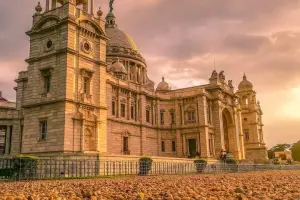
Kolkata, West Bengal – Observances in Park Circus and Metiabruz.
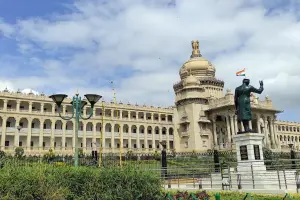
Bangalore, Karnataka – Community prayers and food distribution.
15th Sha’ban (Night between 14th & 15th Sha’ban).
It is not a public holiday in most Indian states, but mosques and graveyards see heavy footfall.
Tourists can witness night-long prayers and gatherings at major mosques in cities like Lucknow, Hyderabad, and Mumbai.
Respectful behavior is advised, as it is a solemn occasion focused on prayer and reflection.
| By Type | Event , Memorial Days |
|---|---|
| By Scale | International |
| By Duration | Single-Day |
| By Frequency | Yearly |
⚠️ This content may be AI-generated and could contain misinformation. If you notice any issue or want to suggest edits, please let us know.