Ashura, observed on the 10th day of Muharram, is one of the most significant days in the Islamic calendar. It holds great importance for both Shia and Sunni Muslims, though their observances differ.
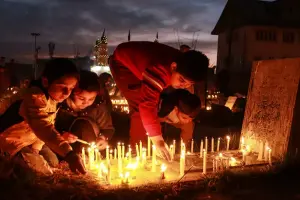
For Shia Muslims, Ashura is a day of deep mourning, marking the martyrdom of Imam Hussain, the grandson of Prophet Muhammad, at the Battle of Karbala in 680 CE.
For Sunni Muslims, Ashura is observed as a day of fasting and prayer, commemorating events such as Moses’ liberation of the Israelites from Pharaoh.
Lucknow is a major center for Shia Muslims, with massive mourning processions and Majlis (sermons).
Bara Imambara and Chota Imambara host large gatherings, and Taziya processions take place.
Many devotees perform Matam (self-flagellation) and recite elegies.
Shia-majority areas like Zadibal and Budgam hold large mourning processions.
The government sometimes imposes restrictions on gatherings due to security reasons.
Kargil and Leh also have Shia communities observing Ashura.
Hyderabad’s Bibi ka Alam procession is one of India’s largest Shia processions.
Tazia processions take place in Old City, Mecca Masjid, and Darulshifa.
Sunni Muslims observe the day with fasting and charity.
Mumbai’s Dongri and Bhendi Bazaar host grand Taziya processions, with participants dressed in black as a sign of mourning.
Pune and Aurangabad have Shia Ashurkhanas (mourning halls) where Majlis are held.
Kolkata’s Muharram processions include both Shia and Sunni participants.
Murshidabad, a former Nawabi capital, has long-standing traditions of Taziya processions.
Patna’s Ashok Rajpath and Phulwari Sharif are known for elaborate Ashura processions.
Shia and Sunni communities observe it with sermons and fasting.
Chennai’s Thousand Lights Mosque is a key location for Shia Muharram gatherings.
Sunni Muslims fast and engage in special prayers.
Malabar’s Sunni Muslim community observes Ashura with fasting and Quran recitations.
No large-scale mourning processions like in North India.
Shia-dominated areas in Bidar and Gulbarga witness processions and Majlis.
Bangalore’s Russell Market and Shivajinagar have small Taziya processions.
Bhopal, known for its Nawabi heritage, has large-scale mourning rituals.
Ajmer, home to the Sufi shrine of Khwaja Moinuddin Chishti, observes the day with prayers and fasting.
Majlis (Religious Gatherings) – Recitations of Marsiya (elegies) and speeches about Imam Hussain’s sacrifice.
Taziya Processions – Replicas of Imam Hussain’s shrine are carried through the streets.
Matam (Self-Flagellation) – Some Shia Muslims perform chest-beating (Sinzani), whipping with chains (Zanjeer Matam), and cutting their foreheads (Qama Zani) as an expression of grief.
Fasting (Observed by Sunni Muslims) – Many Sunnis fast on Ashura, following Prophet Muhammad’s tradition.
Charity & Food Distribution – Offering free meals (Niyaz) to people in memory of Imam Hussain’s suffering.
Ashura (10th Muharram) is a public holiday in many Indian states, especially where Shia populations are significant.
Tourists visiting cities like Lucknow, Hyderabad, and Mumbai can witness grand processions, but they should be mindful of the solemn nature of the event.
Photography and videography of mourning rituals, especially Matam, should be done respectfully.
| By Type | Event , Memorial Days |
|---|---|
| By Scale | International |
| By Duration | Single-Day |
| By Frequency | Yearly |
⚠️ This content may be AI-generated and could contain misinformation. If you notice any issue or want to suggest edits, please let us know.