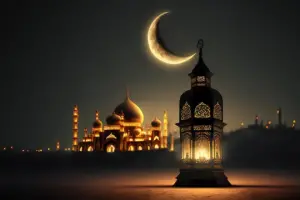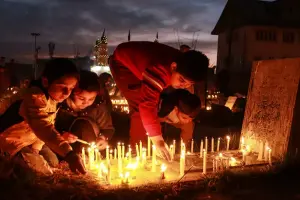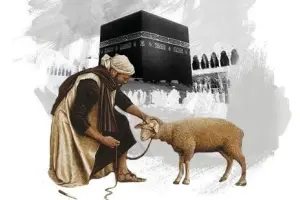
Hijri New Year, also known as Al-Hijra, marks the beginning of the Islamic lunar calendar and falls on the 1st day of Muharram, the first month in Islam. Unlike New Year celebrations in the Gregorian calendar, Hijri New Year is a solemn occasion, observed with prayers and reflection rather than festivities.
Commemorates the Hijra (migration) of Prophet Muhammad (PBUH) from Mecca to Medina in 622 CE, an event that led to the establishment of the Islamic calendar.
Muharram, the month in which it falls, is one of the four sacred months in Islam.
It is a time for introspection, gratitude, and seeking blessings for the year ahead.
Since Islamic New Year is a religious and historical event, it is observed with prayers and reflection rather than celebrations. The customs vary across Islamic communities:
Muslims offer special prayers at mosques and recite verses from the Quran.
Many reflect on Islamic history, the migration of the Prophet, and lessons of faith and perseverance.
Some observe voluntary fasting on the 1st and 10th of Muharram, as recommended in Islamic traditions.
Donating to the poor and helping the needy is a significant part of this day.
Sunni Muslims mark the day with quiet reflection and prayers.
Shia Muslims also prepare for Ashura (10th Muharram), which commemorates the martyrdom of Imam Hussain, the grandson of Prophet Muhammad.
Hijri New Year is recognized in all Muslim-majority countries, with some declaring it a public holiday, including:
Saudi Arabia, UAE, Indonesia, Malaysia, Egypt, Turkey, and Pakistan.
It is also observed by Muslim communities worldwide, including India, the UK, the US, and Australia.
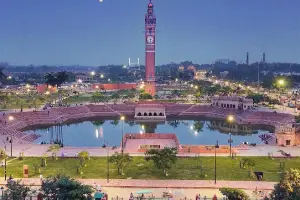
Lucknow is one of the most important centers for Shia Muslims in India, known for its grand Taziya processions and Majlis (gatherings).
Azadari (mourning processions) and Taziya (replica of Imam Hussain’s tomb) processions take place in Hussainabad, Bara Imambara, and Chota Imambara.
Sunnis and Shias observe fasting and prayers.
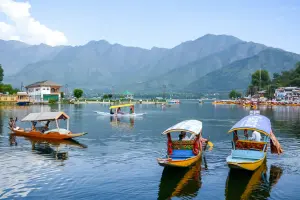
Srinagar witnesses large Muharram processions, mainly in Shia-dominated areas like Zadibal and Budgam.
Public mourning, recitations of Marsiya (elegies), and self-flagellation rituals (Matam) take place.
Sometimes, restrictions are placed on processions due to security concerns.
Patna’s Ashok Rajpath and Phulwari Sharif see large Taziya processions.
The historic Imambara in Patna plays a central role in the observances.
Hyderabad’s Bibi ka Alam procession, held at Asif Nagar, Darulshifa, is one of the largest Muharram processions in South India.
Sunnis observe fasting, charity, and sermons at mosques.
The Qutb Shahi-era Ashurkhanas (mourning halls) host special events.
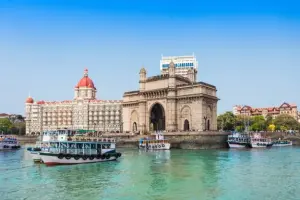
Mumbai's Bhendi Bazaar and Dongri areas witness Taziya processions, with Shia Muslims performing Matam.
Pune’s Taziya processions date back to the Mughal era.
In Aurangabad and Malegaon, large crowds gather for prayers, food distribution, and religious gatherings.
Kolkata has large Muharram processions, with participation from both Shia and Sunni communities.
Murshidabad (a former Nawabi capital) hosts traditional mourning events.
Many mosques organize sermons and fasting on the 1st and 10th of Muharram.
Ahmedabad hosts Taziya processions, where replicas of Imam Hussain’s shrine are carried through the streets.
Surat’s Rander area is known for its night-long religious gatherings and charity drives.
Chennai’s Thousand Lights Mosque and Royapettah witness Shia mourning processions.
Nagapattinam and Tiruchirappalli have deep-rooted traditions of Majlis (sermons) and Taziya processions.
Kerala’s Muslim communities (especially Sunnis of Malabar) observe special prayers and fasting.
Some towns have mild observances, but there are no large processions like in North India.
Bangalore’s Russell Market, Shivajinagar, and Johnson Market areas have small Taziya processions.
In Bidar and Gulbarga, which have historical Shia influences, processions and Majlis are held.
Bhopal, known for its royal Nawabi heritage, has major Muharram events.
Jaipur, Udaipur, and Ajmer witness prayers and public sermons at mosques and dargahs.
Marks a new beginning in the Islamic calendar.
Reminds Muslims of the Hijra (migration), sacrifice, and perseverance in faith.
Encourages reflection, prayer, and acts of kindness.
| By Type | Event , Awareness Days |
|---|---|
| By Scale | International |
| By Duration | Single-Day |
| By Frequency | Yearly |
⚠️ This content may be AI-generated and could contain misinformation. If you notice any issue or want to suggest edits, please let us know.