
Scams in India don’t just target foreigners—Indian travelers often face them too. From inflated taxi fares and hotel price manipulation to fake government tourist offices and pilgrimage exploitation, here are 10 common travel scams in India and how you can avoid them.
Traveling across India is exciting, but it also comes with its share of risks. Scams don’t just target foreigners—Indians, too, often fall prey to dishonest practices while traveling for work, leisure, or pilgrimage. Knowing the most common traps can help you stay alert and protect your hard-earned money.
Here are the 10 most common travel scams in India and practical tips to avoid them:
Many travelers are duped by fake websites or agents offering “unbelievable deals” on hotels, flights, or holiday packages. Some even use names similar to popular platforms to appear genuine.
How to avoid:
Book only through verified platforms or directly from official airline/hotel websites.
Check reviews and the website’s authenticity before paying.
Never pay in full via unverified UPI IDs or personal bank accounts.
Drivers in popular tourist cities sometimes refuse to use meters, quote inflated rates, or take longer routes to overcharge.
How to avoid:
Always insist on using the meter.
For prepaid taxis, pay only at official counters, not directly to the driver.
Some hotels modify booking rates after check-in, demand “service charges,” or refuse rooms unless extra money is paid—something many Indian travelers have faced even with reputed aggregators.
How to avoid:
Keep screenshots of your booking confirmation.
Demand a printed bill in the hotel’s name.
Report discrepancies immediately to the booking platform’s customer care.
In cities like Delhi, Jaipur, and Agra, scamsters run “tourist offices” claiming to be government-approved. They mislead travelers into believing buses, trains, or hotels are unavailable, pushing overpriced private tours instead.
Read this : Story of a couple fall for this Fake Tourism Office Scam
How to avoid:
Check official government tourism websites for addresses.
Verify on Google Maps with genuine reviews before visiting.
Never trust agents who approach you outside stations or airports.
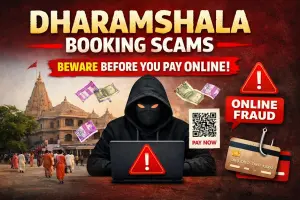
At popular shrines (Vaishno Devi, Tirupati, Varanasi, etc.), pilgrims are often overcharged for horses, palkis, special darshan tickets, or rituals—despite fixed official rates.
Read Also: How this Palki and Pony Scam work in Vaishno Devi
How to avoid:
Check Shrine Board or temple websites for official charges.
Pay only at official counters.
Refuse “agents” who demand cash without receipts.
Fraudulent agents often sell “guaranteed last-minute tickets” or tell travelers their booked bus/train is canceled, pushing them into buying fake or overpriced alternatives.
How to avoid:
Buy tickets only from IRCTC, state-run transport apps, or verified portals.
Double-check train/bus status online or via official helplines.
Avoid paying cash to random agents near stations.
Some shops (especially near tourist hotspots) lure travelers with “government emporium” signs, selling fake or overpriced handicrafts, carpets, or jewelry.
How to avoid:
Shop at official state emporiums or trusted outlets.
Bargain smartly if shopping in bazaars.
Don’t fall for “special discount today only” traps.
Unauthorized guides or “darshan brokers” approach travelers, promising VIP access or special arrangements, but often overcharge or disappear after taking money.
How to avoid:
Hire only government-certified guides (with ID badges).
Book darshan tickets online where possible.
Avoid middlemen approaching you on the spot.
Near tourist spots, some eateries inflate prices, skip menu cards, or add “service charges” illegally.
How to avoid:
Always ask for a menu with prices.
Check bills carefully before paying.
Avoid eating at places without clear pricing.
At beaches, hill stations, or trekking spots, unregistered operators offer activities like paragliding, river rafting, or water sports at “cheap rates,” often compromising safety and overcharging.
How to avoid:
Book activities only through registered operators.
Ask for licenses, permits, and safety equipment.
Never pay in advance without receipts.
Scams are a sad reality of travel, but awareness is your strongest defense. As Indian travelers, we must be cautious, question anything suspicious, and rely only on verified sources. Remember:
Do your research before the trip.
Keep digital and physical copies of bookings.
Report scams to consumer helplines or tourism boards.
With vigilance, your travel memories can remain joyful and scam-free.
⚠️ This content may be AI-generated and could contain misinformation. If you notice any issue or want to suggest edits, please let us know.





Comments