
The sacred Vaishno Devi Yatra is being tainted by corruption and exploitation. From inflated rates to cash-only transactions, here’s how devotees are being trapped and why the system needs urgent reform.
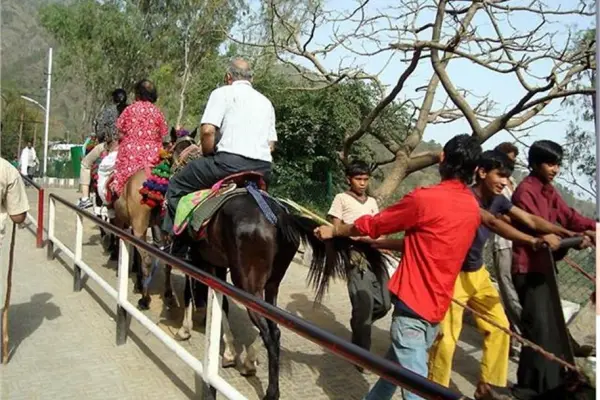
For millions of devotees, the Vaishno Devi Yatra is a sacred journey — one taken with faith, devotion, and reverence. But what should feel like a spiritual experience is increasingly leaving pilgrims disheartened. A recent account shared by a devotee has gone viral, exposing how this yatra has turned from a spiritual journey into a well-oiled commercial system that exploits pilgrims.
On paper, everything seems well-organized. The Shri Mata Vaishno Devi Shrine Board (SMVDSB) has government-fixed rates for ponies, palkis (palanquins), and strollers.
Pony official rate: ₹1200
Palki official rate: ₹3450
But when pilgrims try to book these services, they’re often told, “Talk to the service provider first.”
That’s where the exploitation begins.
Devotees approach horse and palki owners, only to hear the same excuse: “Nothing is available.” Strangely, dozens of horses and palkis are standing right there.
Then, like clockwork, an “agent” appears. He offers a solution:
Pony quoted price: ₹2200 (instead of ₹1200)
Palki quoted price: ₹7000+ (instead of ₹3450)
Once you agree, they escort you to the Shrine Board counter, where you pay the official rate and get a receipt. The rest — the inflated amount — is collected in cash only, no receipt, off the record.
This pattern repeats at every checkpost, day after day, with thousands of pilgrims.
The system doesn’t end there. If you become exhausted midway and ask for a horse or stroller, the rates increase further. At night, prices shoot up 5–6 times the official amount.
The worst part? Pilgrims have no choice. Fatigued and vulnerable, they are forced to pay.
In 2025, UPI payments are accepted everywhere — from street vendors to tea stalls. Yet, at Vaishno Devi, even official Shrine Board counters do not accept UPI or digital payments.
This raises serious questions:
Why is a government-run religious board rejecting digital transparency?
Is it to maintain cash-based black money circulation?
To allow off-record transactions and fake receipts?
For a shrine that welcomes lakhs of devotees every month, this lack of transparency feels deliberate, not accidental.
The devotee who shared this account summarized the problem in one painful truth:
“When faith starts to feel like extortion, when pilgrimage becomes a burden, we must speak up.”
Comparisons have been drawn with Tirupati, where systems are structured, transparent, and pilgrim-friendly, ensuring both faith and fairness coexist.
Strict Enforcement of Official Rates – No service provider should be allowed to charge above Shrine Board rates.
Mandatory Digital Payments – UPI and card options must be available at every counter for transparency.
Accountability of Agents – Ban unauthorized agents operating inside the premises.
Pilgrim Grievance Redressal – A 24/7 helpline or mobile app for reporting fraud in real-time.
The Vaishno Devi Yatra should uplift devotees spiritually, not exploit them financially. If left unchecked, this system risks eroding trust in one of India’s most sacred pilgrimages.
It’s time to raise our voices, demand accountability, and ensure that the sanctity of this yatra is preserved.
Faith should never feel like extortion. Jai Mata Di.
⚠️ This content may be AI-generated and could contain misinformation. If you notice any issue or want to suggest edits, please let us know.





Comments