
Getting scammed while traveling in India can be stressful, but quick action makes all the difference. This guide shows you how to document the scam, report it to tourist police, use helplines, recover money, and move forward without letting it ruin your trip.
Traveling in India is one of the most rewarding experiences in the world — full of culture, history, landscapes, and warm people. But like any popular destination, scams can sometimes happen. If you find yourself scammed, don’t panic. What matters most is how quickly and effectively you act. Here’s a practical step-by-step guide to help you resolve the situation faster and minimize your losses.
The first instinct is often anger or panic. Instead, take a deep breath and focus on details. Write down or record:
Names and phone numbers of people involved
Vehicle/taxi registration numbers
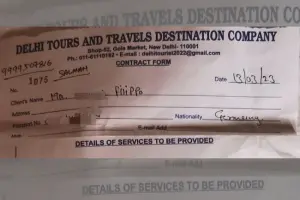
Business cards, receipts, or screenshots
Exact time and location
This information will help when you file a complaint.
Sometimes confusion or miscommunication looks like a scam. Double-check:
Was your bus/train really canceled?
Is the hotel truly full?
Can you confirm details via official websites or helplines?
Often, scammers rely on tourists not having internet or local contacts. Use Wi-Fi hotspots, railway/bus counters, or even nearby shopkeepers to confirm.
India has multiple tourism protection channels:
Tourist Police Helpline (24x7): 1363 (all-India number)
National Helpline: 112 (emergency)
Local police stations (available in all towns)
Many states (like Delhi, Goa, Kerala, Rajasthan) have dedicated tourist police units trained to handle scams.
File a complaint on the National Consumer Helpline (1800-11-4000 / 1915)
Report fraudulent businesses on Google Maps / TripAdvisor
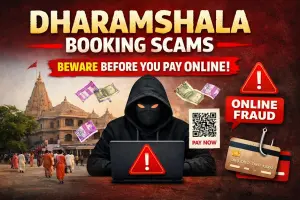
If it involves online booking fraud, use the cybercrime portal (cybercrime.gov.in)
A quick online report not only documents your case but also warns future travelers.
India Tourism has official offices in most cities — always use government-approved offices (check at tourism.gov.in)
If you lost a large sum of money or documents, contact your embassy or consulate in India. They often guide tourists through legal or financial issues.
If you paid by card or UPI, raise a dispute with your bank/payment app.
If it’s a tour operator registered with a tourism board, complaints may lead to refunds or license cancellation.
Cash recovery is tough, but timely reporting improves your chances.
Once safe, share your story online — Twitter, travel forums, Google reviews, or even with Indian tourism boards. Many scams shut down only because travelers spread awareness.
Scams are frustrating, but don’t let one incident ruin your trip. India is welcoming and safe for millions of travelers every year. Awareness and quick action are your best defense.
If scammed in India, document, report, and escalate quickly. Use tourist helplines, local police, and online platforms to resolve the issue. And most importantly — keep traveling, but travel smarter.
⚠️ This content may be AI-generated and could contain misinformation. If you notice any issue or want to suggest edits, please let us know.




Comments