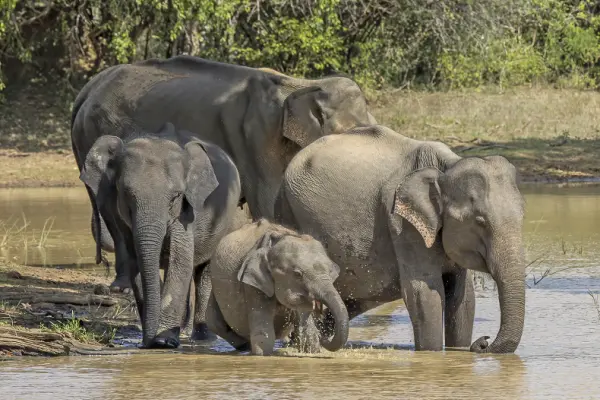
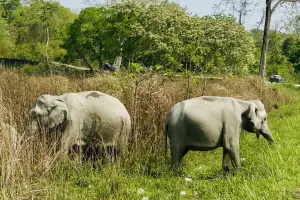
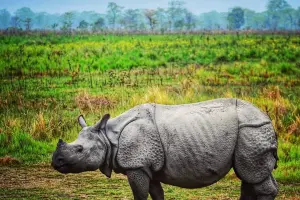
The Asiatic Elephant (Elephas maximus indicus) is one of the most revered and awe-inspiring animals in India’s wildlife tourism scene. Known for its intelligence, strong social bonds, and deep cultural significance, this magnificent species has played a vital role in India's history, traditions, and ecosystems.
Why Travelers Should Experience Asiatic Elephants?
- Largest Land Mammal in Asia – Adult males can weigh up to 5,500 kg and stand 3 meters tall.
- Highly Intelligent & Emotional – They display emotions like joy, grief, and compassion.
- Sacred in Indian Culture – Worshipped in Hinduism, Buddhism, and Jainism, with Lord Ganesha being the most famous elephant deity.
- Living Fossils of India’s History – Used in royal processions, temple festivals, and even ancient warfare.
- Essential for Ecotourism – Major attraction in national parks, wildlife sanctuaries, and cultural heritage experiences.
Best Places to See Asiatic Elephants in India
Wildlife Sanctuaries & National Parks
- Jim Corbett National Park (Uttarakhand) – Home to over 1,000 wild elephants.
- Kaziranga National Park (Assam) – Grasslands and wetlands provide an excellent elephant habitat.
- Periyar Wildlife Sanctuary (Kerala) – Boat safaris offer close encounters with elephants at Periyar Lake.
- Bandipur & Nagarhole National Parks (Karnataka) – Dense forests with large elephant herds.
- Manas National Park (Assam) – A UNESCO World Heritage Site with a thriving elephant population.
Cultural & Heritage Experiences
- Elephant Festivals (Jaipur, Thrissur, Mysore) – Witness grand temple processions and decorated elephants.
- Guruvayur Temple (Kerala) – Home to Anakkotta, a legendary elephant sanctuary.
- Dubare Elephant Camp (Karnataka) – Offers ethical elephant interactions, bathing, and feeding experiences.
Fascinating Facts & History of Asiatic Elephants
1. Deep Roots in Indian Civilization
- Used by kings and warriors since 3,000 BCE for transport and battle.
- Chandragupta Maurya’s army had thousands of elephants, making them powerful war machines.
- Featured in ancient Indian texts, including the Mahabharata and Arthashastra.
2. Unique Physical Features
- Smaller Ears – Unlike African elephants, Asiatic elephants have smaller, rounded ears that help retain body heat in forests.
- Only Males Have Large Tusks – In contrast to African elephants, female Asiatic elephants usually lack visible tusks.
- High Domed Head & Long Trunk – Their trunk has over 40,000 muscles, allowing them to pick up tiny objects or pull down trees.
3. Complex Social Behavior 🐘
- Matriarchal Society – Herds are led by the oldest and most experienced female.
- Strong Family Bonds – Elephants mourn their dead and show affection by touching trunks.
- Highly Communicative – Use infrasound to talk across long distances.
4. Conservation & Threats 🌍
- Endangered Status – Due to habitat loss, human-elephant conflicts, and poaching for ivory.
- Elephant Corridors – India is securing natural pathways for elephants to roam safely.
- Project Elephant (1992) – A government initiative to protect and conserve wild elephants.
Pro Traveler Tips for Spotting Asiatic Elephants
✔ Best Time to Visit – October to June, especially during summer when elephants gather near waterholes.
✔ Book Wildlife Safaris Early – Parks like Kaziranga and Periyar have limited safari slots.
✔ Stay Silent During Safari – Elephants have sharp hearing and can detect disturbances from afar.
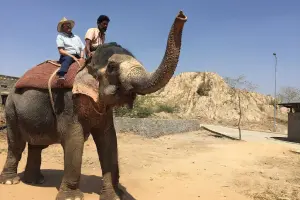
✔ Avoid Elephant Rides – Opt for ethical sanctuaries like Dubare and Periyar for responsible tourism.
✔ Respect Their Space – Keep a safe distance, as wild elephants can be unpredictable.
Why Seeing an Asiatic Elephant is a Must-Do in India?
Whether witnessing a wild elephant herd in the jungles of Corbett, enjoying a temple festival procession in Kerala, or learning about conservation at an elephant rescue center, the Asiatic Elephant offers some of the most immersive and unforgettable wildlife experiences in India.