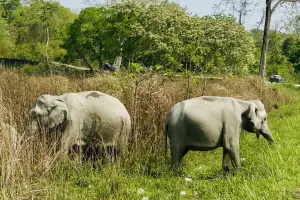
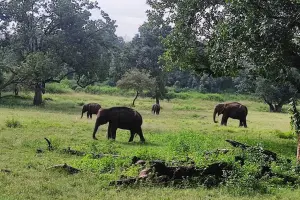
The Barasingha (Rucervus duvaucelii), commonly known as the Swamp Deer, is one of India’s most graceful and unique deer species. The name "Barasingha" translates to "Twelve-Tined Deer" in Hindi, referring to the magnificent multi-branched antlers found on males, which can have 12 to 20 tines! This elegant deer is native to India and Nepal and is mostly found in grasslands, wetlands, and swampy areas, making it distinct from other deer species.
For wildlife travelers, spotting a Barasingha stag in the wild is a mesmerizing experience. Once on the brink of extinction, dedicated conservation efforts have helped revive their numbers, especially in Kanha National Park, where they are now the official mascot of the reserve. Their golden-brown coat, impressive antlers, and large herds moving through grasslands make them a must-see species for wildlife enthusiasts and photographers.
✅ One of India’s Rarest Deer – Found only in select national parks and wetlands.
✅ Unique Antlers – Unlike any other deer, with multiple branched tines.
✅ Symbol of Conservation Success – Kanha’s Barasingha population has rebounded from near extinction.
✅ Grassland & Swamp Specialist – Unlike spotted deer, they thrive in wetlands and tall grass.
✅ Scenic Safari Sightings – Often found in picturesque grasslands, making for stunning photographs.
✔ Best Time to Visit – November to April (dry season when grass is shorter).
✔ Look for Open Grasslands – They prefer meadows and wetland edges.
✔ Early Morning & Late Afternoon Safaris – Best times for active sightings.
✔ Visit Kanha for the Best Experience – The only place where Hard-ground Barasingha thrive.
✔ Use a Telephoto Lens for Photography – Capture their stunning antlers and herd behavior.
The Barasingha is India’s most unique and visually striking deer, often overshadowed by the Spotted Deer but just as iconic. Whether watching a majestic stag in golden grasslands or seeing a herd grazing peacefully in a wetland, Barasingha sightings are among the most rewarding experiences for wildlife travelers. 🦌🌿
| By Behavior & Lifestyle | Herbivores & Grazers , Social & Herding Species |
|---|---|
| By Geographic Region | Himalayan Foothills Wildlife |
| By Conservation Status | Vulnerable |
| By Natural Habitat | Terrestrial Species |
| By Type | Herbivores |
⚠️ This content may be AI-generated and could contain misinformation. If you notice any issue or want to suggest edits, please let us know.