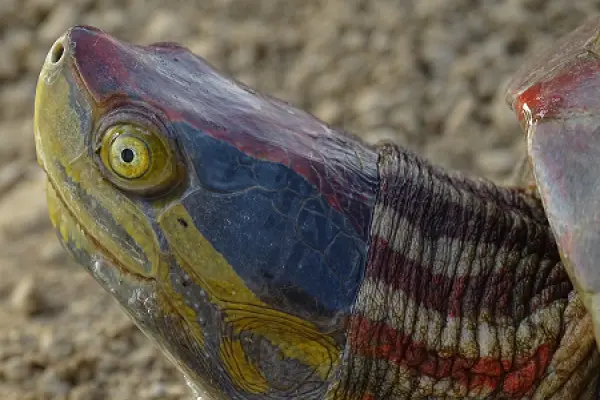
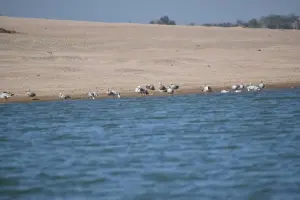
The Red-Crowned Roofed Turtle (Batagur kachuga) is one of India's most striking and critically endangered freshwater turtles. Recognized for the bright red, yellow, and black markings on the male’s head, this species is primarily found in the Ganges River system, including stretches of Uttar Pradesh, Madhya Pradesh, Bihar, and Assam. These turtles prefer deep, slow-moving rivers with sandy banks, where they nest and bask under the sun.
Despite their vital ecological role in maintaining healthy freshwater ecosystems, their population has plummeted due to habitat destruction, illegal sand mining, poaching, and pollution. Conservation programs, such as protected nesting sites and captive breeding initiatives, are helping to restore their numbers, but sightings remain extremely rare.
Why Travelers Should See the Red-Crowned Roofed Turtle?
- One of the rarest freshwater turtles in the world
- Striking red-crowned males during the breeding season
- Found in scenic riverine landscapes like Chambal and the Ganges
Best Places to Spot the Red-Crowned Roofed Turtle in India
- National Chambal Sanctuary (Uttar Pradesh, Madhya Pradesh, Rajasthan) – The best place for sightings.
- Katarniaghat Wildlife Sanctuary (Uttar Pradesh) – A stronghold for river turtles.
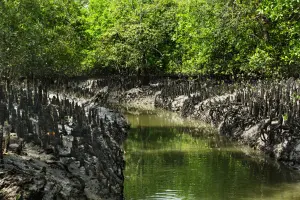
- Sundarbans National Park (West Bengal) – Occasional records in mangrove wetlands.
- Bihar’s Riverine Ecosystems – Small populations still survive in protected river stretches.
Fascinating Facts About the Red-Crowned Roofed Turtle
1. A Critically Endangered Species on the Brink 🚨
- Less than 500 mature individuals remain in the wild.
- Major threats include illegal trade, river pollution, and dam construction.
2. Unique Appearance During Breeding Season 🎨
- Males develop a bright red patch on the head and yellow markings.
- Females remain larger, duller in color, and lay eggs in sandy riverbanks.
3. One of India’s Largest Freshwater Turtles 🏞️
- Can grow up to 60 cm (2 feet) in length.
- Primarily herbivorous, feeding on aquatic plants and fruits.
4. Nesting in Sandy Riverbanks 🥚
- Females lay 15-35 eggs per clutch on exposed sandbanks.
- Riverbank erosion and human interference severely impact nesting success.
Pro Traveler Tips for Spotting the Red-Crowned Roofed Turtle
- Best Time to Visit – Winter & early summer (Nov–April) when turtles bask on sandbanks.
- Choose a Chambal River Safari – Best chances of sightings with expert guides.
- Look Near Sandy Riverbanks – Nesting sites are often the most active spots.
- Support Conservation Projects – Visit protected sanctuaries and eco-tourism initiatives.
This
critically endangered turtle is a true freshwater gem, and spotting one in its natural river habitat is a
once-in-a-lifetime experience for wildlife enthusiasts. As conservation efforts continue, witnessing these turtles in protected sanctuaries
not only offers a unique wildlife moment but also raises awareness about preserving India’s fragile river ecosystems.