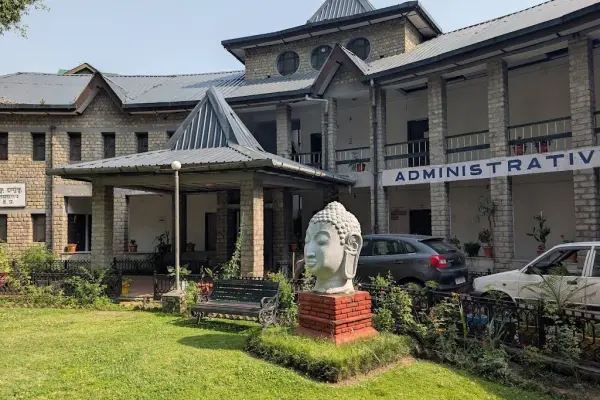
The Bhuri Singh Museum, located in Chamba town, is one of the most significant museums in Himachal Pradesh. It was established in 1908 by Raja Bhuri Singh of Chamba with the assistance of Dr. J. Ph. Vogel, the then Superintendent of the Archaeological Survey of India. The museum was set up to preserve the cultural and artistic treasures of the region. Over the years, it has become a key center of attraction for art lovers, historians, and travelers.
The museum is particularly known for its extensive collection of Pahari miniature paintings, many of which depict scenes from epics like the Ramayana and Mahabharata as well as stories from Lord Krishna’s life. These paintings are representative of the Basohli and Chamba styles of art.
Historical Significance:
The museum was named after Raja Bhuri Singh, who not only contributed his personal collection but also played a role in ensuring the preservation of Chamba’s cultural identity. The inscriptions preserved here provide valuable historical information about the rulers of Chamba and their dynasties. Several artifacts shed light on the socio-cultural and political history of the region.
Architecture:
The museum building is simple and functional, designed in colonial-era style, with spacious galleries that display objects systematically. The structure is not monumental in itself but serves its purpose of being a cultural archive and exhibition space.
Collections and Sub-items:
Pahari Miniature Paintings – Basohli and Chamba schools, depicting Hindu epics and local themes.
Archaeological Artifacts – inscriptions, temple bronzes, and carved stones.
Manuscripts and Coins – old records, royal decrees, and rare coins from different eras.
Traditional Items – weapons, jewellery, costumes, and musical instruments used by the people of Chamba.
Royal Portraits – images and memorabilia from the Chamba royal family.
Crowd Details:
The museum usually sees moderate crowds, with peak visits during the tourist season in Chamba (summer and festivals like Minjar Mela). It remains relatively calm compared to religious attractions and is preferred by travelers interested in culture and history.
Tips for Visitors:
Allocate at least 1–2 hours to explore the galleries thoroughly.
Visit in the morning or early afternoon for a quieter experience.
Reading the inscriptions and painting descriptions gives more depth, so hiring a local guide is helpful.
| Location | Google Maps |
|---|
Entry Ticket: Yes, 50 Rupees (For Indian).
Timings: Usually open from 10 AM to 5 PM (closed on Mondays and public holidays).
Seasonal Access: Open year-round.
Permit Requirement: None.
Photography: Special ticket is required for Mobile/Camera for Photography.
| By Type | Museum |
|---|
⚠️ This content may be AI-generated and could contain misinformation. If you notice any issue or want to suggest edits, please let us know.