Bisu Parba: The Tulu New Year & Harvest Festival
Bisu Parba is the Tulu New Year, celebrated by the Tuluva community in the coastal Karnataka region (Tulu Nadu). It is similar to Vishu (Kerala) and Puthandu (Tamil Nadu) and marks the beginning of the agricultural season.
How is Bisu Parba Celebrated?
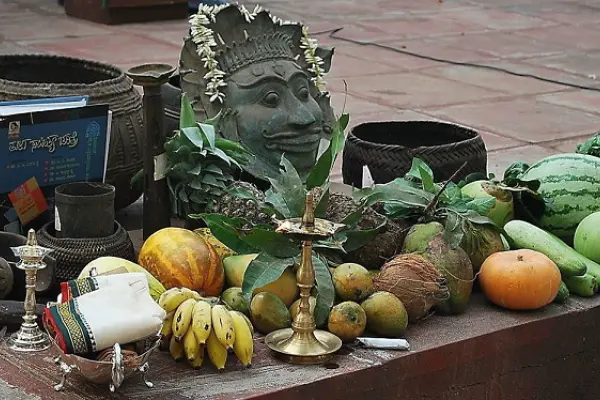
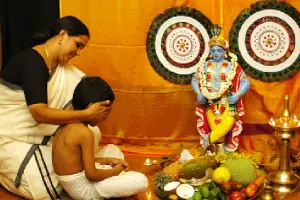
1. Bisu Kani (Auspicious Sight Ritual)
- Similar to Vishukkani, a sacred arrangement of fruits, rice, coconut, flowers, betel leaves, money, and a mirror is displayed to symbolize prosperity.
- Devotees wake up early and view Bisu Kani as their first sight to ensure a prosperous year ahead.
2. Temple Visits & Prayers
- People visit temples, offer prayers, and seek blessings for a good harvest and well-being.
- Special prayers are held in Mangalore, Udupi, and other temples of Tulu Nadu.
3. Bisu Jevan (Festive Meal)
- Families prepare a special feast including:
- Holige (sweet flatbread), Payasam, Gassi (coconut-based curry), and other regional delicacies.
4. Kaineettam (Gift Giving Tradition)
- Elders give money or gifts (Bisu Kaineettam) to younger family members as a symbol of sharing prosperity.
5. Cultural & Community Gatherings
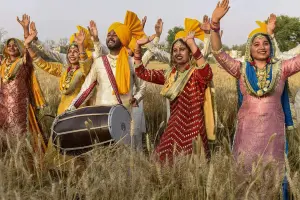
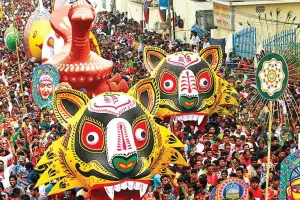
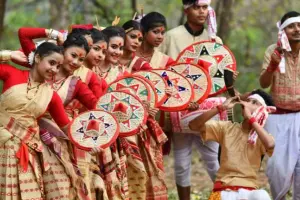
- Traditional folk dances, music, and rituals take place in villages.
- People come together for community feasts and social celebrations.
Significance of Bisu Parba
- Marks the Tulu New Year, symbolizing new beginnings and agricultural prosperity.
- It reflects the deep connection between nature, farming, and Tulu culture.
Where is Bisu Parba Celebrated?
- Tulu Nadu (Coastal Karnataka) – Primarily in Mangalore, Udupi, Kasaragod, and nearby areas.
- Tulu communities worldwide also observe the festival.
Why Experience Bisu Parba?
- Witness the Bisu Kani tradition and its spiritual significance.
- Enjoy Tulu cuisine and festive delicacies.
- Experience the rich culture, rituals, and hospitality of Tulu Nadu.