Pohela Boishakh: The Bengali New Year
Pohela Boishakh is the Bengali New Year, celebrated with cultural performances, processions, feasting, and traditional rituals. It marks the beginning of the Bengali calendar and is observed with great enthusiasm in West Bengal, Bangladesh, Tripura, and Bengali communities worldwide.
How is Pohela Boishakh Celebrated?
1. Mangal Shobhajatra (Grand Procession)
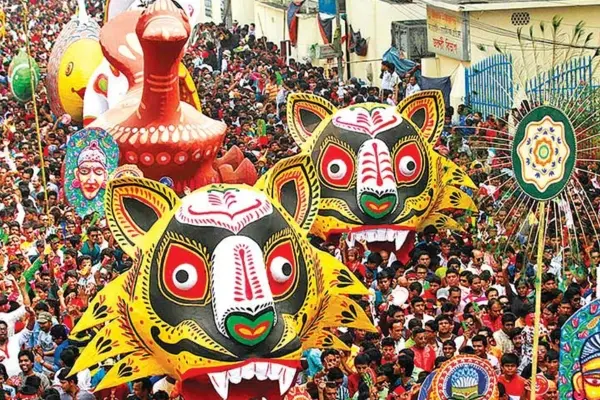
- A colorful procession with giant masks, folk music, and traditional attire is held in Dhaka (Bangladesh) and Kolkata (India).
- It symbolizes unity, culture, and a fresh start.
2. Temple Visits & Rituals
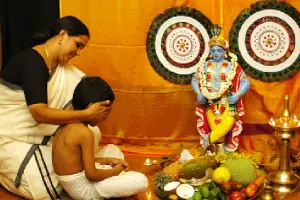
- People wake up early, wear traditional clothes, and visit temples for blessings.
- In Bengal, business owners perform "Haal Khata" (new accounting book opening) and seek prosperity.
3. Cultural Programs & Fairs
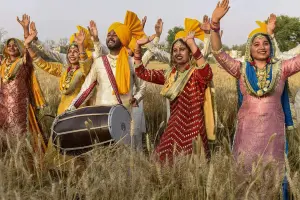
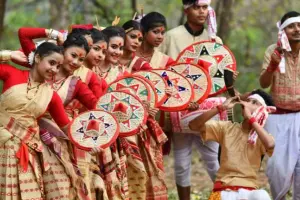
- Rabindra Sangeet (songs of Rabindranath Tagore) and traditional dances are performed.
- Baul singers and folk artists entertain crowds.
- Rural areas host melas (fairs) with handicrafts, food stalls, and rides.
4. Traditional Bengali Feast
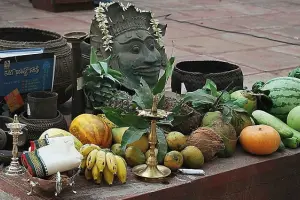
- A grand meal includes Panta Bhat (fermented rice), Hilsa fish, sweets like Rosogolla, Sandesh, and Mishti Doi.
Significance of Pohela Boishakh
- Marks the Bengali New Year, bringing renewal, prosperity, and joy.
- Introduced by Mughal Emperor Akbar for an organized agricultural tax collection system.
- Represents Bengali heritage, unity, and cultural pride.
Where is Pohela Boishakh Celebrated?
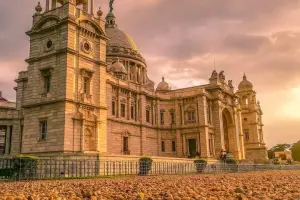
- Kolkata (West Bengal, India) – Celebrations at Rabindra Sadan, Nandan, and local markets.
- Dhaka (Bangladesh) – Ramna Park and Dhaka University host grand processions.
- Tripura & Bengali communities worldwide.
Why Experience Pohela Boishakh?
- Witness vibrant processions, cultural events, and fairs.
- Enjoy authentic Bengali cuisine and folk music.
- Explore the rich traditions and festive spirit of Bengal.