Puthandu: The Tamil New Year
Puthandu, also known as Tamil New Year, marks the beginning of the Tamil calendar and is celebrated with prayers, feasts, and cultural traditions. It is observed primarily in Tamil Nadu, Sri Lanka, and among Tamil communities worldwide.
How is Puthandu Celebrated?
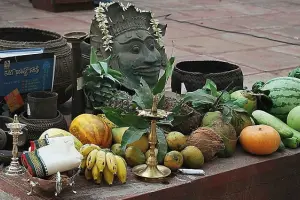
1. Puthandu Palangal (Auspicious Sight)
- The day starts with seeing auspicious items like gold, fruits, flowers, betel leaves, and a mirror to bring prosperity and positivity for the year ahead.
2. Temple Visits & Prayers
- Devotees visit temples, especially Meenakshi Amman Temple (Madurai) and Kapaleeshwarar Temple (Chennai), for blessings.
- Special prayers are held in homes and temples.
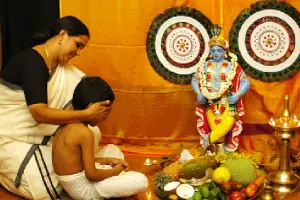
3. Kanni (Good Fortune Ritual)
- Kanni means "auspicious sight" and involves arranging bananas, betel leaves, coins, jewels, and mirrors to welcome prosperity.
4. Festive Feasting
- Families prepare a grand meal, featuring dishes like:
- Mango Pachadi (sweet, sour, and bitter dish symbolizing life’s flavors)
- Payasam, Vadai, Sambar, and traditional sweets
5. Tamil Panchangam Reading
- The Panchangam (Tamil almanac) for the new year is read in temples and homes to predict the year’s fortunes.
Significance of Puthandu
- Marks the Tamil New Year, following the solar calendar.
- Represents new beginnings, prosperity, and spiritual growth.
- Associated with Lord Brahma, who is believed to have created the universe on this day.
Where is Puthandu Celebrated?
- Tamil Nadu – Major celebrations in Chennai, Madurai, and Coimbatore.
- Sri Lanka – Tamil communities observe it as Chithirai Puthandu.
- Malaysia, Singapore, and Tamil diaspora worldwide also celebrate Puthandu with traditional customs.
Why Experience Puthandu?
- Witness traditional temple rituals and festive feasts.
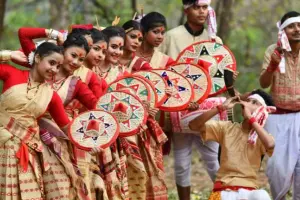
- Experience Tamil cultural heritage through music, dance, and customs.
- Explore Tamil Nadu’s vibrant festivals and traditions.