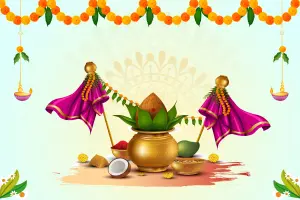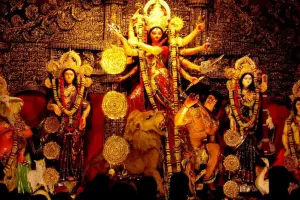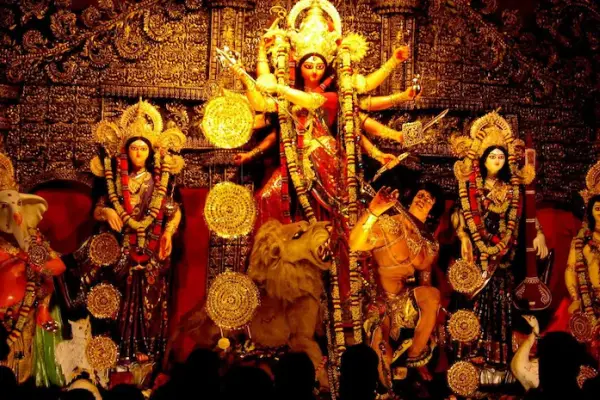
Chaitra Navratri marks the beginning of the Hindu New Year in several regions of India (especially in states like Maharashtra, Andhra Pradesh, Telangana, and Karnataka, where Gudi Padwa and Ugadi are celebrated on the same day). It is primarily dedicated to Goddess Durga and her nine manifestations, each worshipped on a separate day with specific rituals, chants, and offerings.
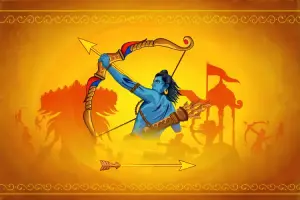
Why it’s celebrated: It signifies the triumph of good over evil and invokes the feminine divine power (Shakti) for prosperity, protection, and spiritual growth. The festival also commemorates Lord Rama’s birth on the ninth day (Ram Navami).
Significance: It’s seen as a period of spiritual cleansing, fasting, and devotion. People observe rituals, recite Durga Saptashati, and perform ghatsthapana (Kalash installation) on the first day.
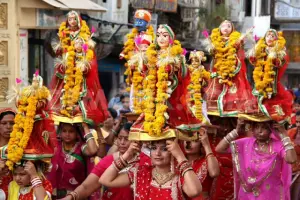
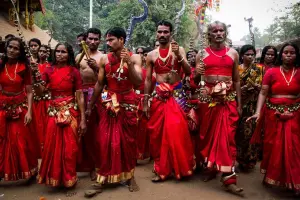
How it’s celebrated: Devotees fast, worship different forms of Durga, light lamps, chant mantras, and perform aarti. In North India, Ramlila performances may also begin around this time. The festival ends with Ram Navami celebrations, with processions and recitals of Ramayana.
Where it’s celebrated: Prominent in North India (Uttar Pradesh, Bihar, Delhi), Western India (Rajasthan, Maharashtra, Gujarat), and also in southern states as part of the new year festivities.
Other events/festivals related: Ram Navami, Gudi Padwa, Ugadi, Bihu (around the same time in Assam).
| By Type | Hindu Festivals , Historical Festivals , Cultural Festivals , Festival |
|---|---|
| By Scale | National |
| By Duration | Week-Long |
| By Frequency | Yearly |
⚠️ This content may be AI-generated and could contain misinformation. If you notice any issue or want to suggest edits, please let us know.