

Jyotirlingas hold a unique position in Shaivism. Unlike local or regional Shiva temples, these 12 shrines are pan-Indian pilgrimage sites mentioned in classical texts like the Shiva Purana. Each Jyotirlinga is associated with a specific legend, geography, and historical layer—ranging from coastal temples to high Himalayan shrines.
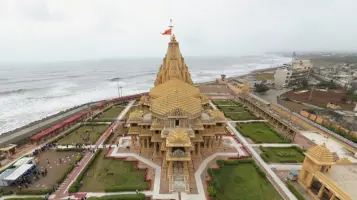
One of the twelve Jyotirlingas of Lord Shiva, Shree Somnath Temple stands as a powerful symbol of faith, resilience, and revival on India’s western coast.

One of the 12 Jyotirlingas of Lord Shiva, famous for its south-facing (Dakshinamurti) idol and the daily Bhasma Aarti.
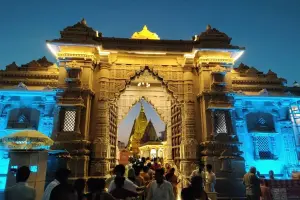
One of the twelve Jyotirlingas of Lord Shiva, the Kashi Vishwanath Temple is the spiritual nucleus of Varanasi, where faith, energy, and timeless devotion converge on the banks of the Ganga.
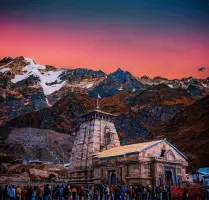
One of the twelve Jyotirlingas of Lord Shiva, Kedarnath Temple stands high in the Garhwal Himalayas, revered for both its spiritual power and extreme Himalayan setting.
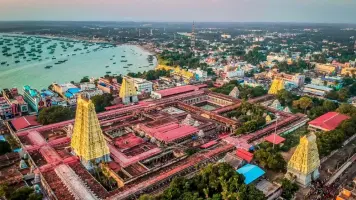
One of the holiest Shiva temples in India, famed for its sacred jyotirlinga and the world’s longest temple corridors.
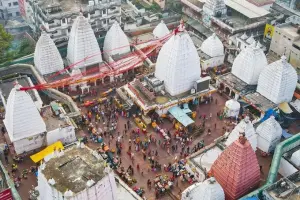
Shree Baba Baidyanath Jyotirlinga Temple is one of the 12 sacred Jyotirlingas of Lord Shiva, revered for its powerful spiritual aura and ancient Shaiva traditions.
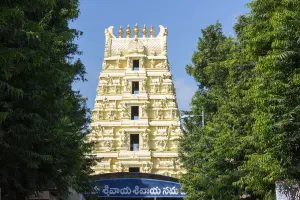
A major Shaivite shrine at Srisailam, housing one of the 12 Jyotirlingas of Lord Shiva and one of the 52 Shakti Peethas of Goddess Shakti.
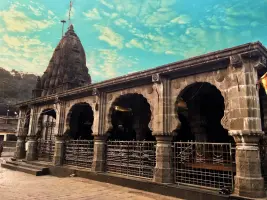
One of the 12 Jyotirlingas of Lord Shiva, located in the Sahyadri hills inside a protected forest zone, about 125 km from Pune.
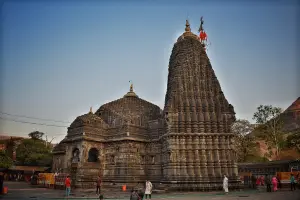
One of the 12 Jyotirlingas of Lord Shiva, located near Nashik, known for its unique three-faced linga and its role in major Hindu rituals.
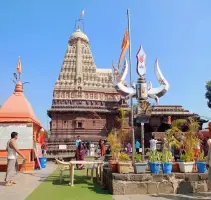
Grishneshwar Temple is one of the 12 Jyotirlingas of Lord Shiva, located near the Ellora Caves in Maharashtra and actively used for daily worship.
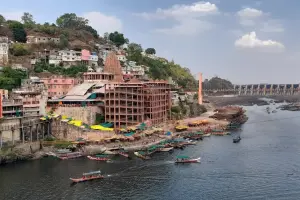
One of the 12 Jyotirlingas of Lord Shiva, located on Mandhata Island in the Narmada River, Madhya Pradesh.

One of the 12 sacred Jyotirlingas of Lord Shiva, revered as the protector from poisons and negative energies.
Covering all 12 Jyotirlingas is not a single trip—it’s a long-term pilgrimage circuit spread across diverse terrains and climates. Some temples are city-based and accessible year-round, while others like Kedarnath require careful seasonal planning.
For travelers, this list works best when broken into regional circuits (Gujarat, Maharashtra, South India, North India) rather than treated as one journey. It’s as much a cultural map of India as it is a religious one.