
Check the official opening and tentative closing dates of Char Dham Yatra 2026 along with temple-wise details and important travel notes.

The sacred Char Dham Yatra of Uttarakhand includes four high-altitude Himalayan shrines — Yamunotri Temple, Gangotri Temple, Kedarnath Temple, and Badrinath Temple. Every year, lakhs of pilgrims undertake this journey between April–May and October–November, as the temples remain closed during peak winter due to extreme snowfall.
The opening and closing dates are decided based on Hindu calendar calculations and seasonal weather conditions. For 2026, the temple schedules are as follows:
| Temple | Opening Date 2026 | Closing Date 2026 (Tentative) |
|---|---|---|
| Yamunotri | 19 April 2026 | 11 November 2026 |
| Gangotri | 19 April 2026 | 10 November 2026 |
| Kedarnath | 22 April 2026 | 11 November 2026 |
| Badrinath | 23 April 2026 (6:15 AM) | 13 November 2026 |
Note: Closing dates are tentative and may vary slightly based on religious and weather decisions.
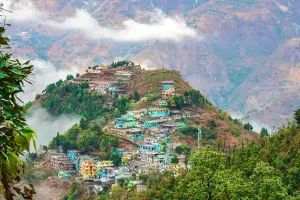
The first stop of the Char Dham circuit is Yamunotri, dedicated to Goddess Yamuna.
Opening Date: 19 April 2026 (on Akshaya Tritiya)
Closing Date: 11 November 2026 (on Bhai Dooj – tentative)
The temple traditionally opens on Akshaya Tritiya, an auspicious Hindu festival symbolizing prosperity and new beginnings. Pilgrims begin visiting once snow clears from the route, usually by late April. The trek to Yamunotri starts from Janki Chatti and covers approximately 5–6 km.
The temple closes on Bhai Dooj, shortly after Diwali. Before winter sets in, the idol of Goddess Yamuna is ceremonially moved to Kharsali village, where winter worship continues. Heavy snowfall makes the shrine inaccessible during winter months.
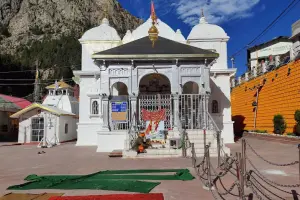
Gangotri, dedicated to Goddess Ganga, is the second shrine of the Yatra.
Opening Date: 19 April 2026 (Akshaya Tritiya)
Closing Date: 10 November 2026 (tentative)
The temple opens with ceremonial rituals and Ganga Aarti on the banks of the Bhagirathi River. Pilgrims consider bathing in the holy waters spiritually purifying.
The shrine generally closes around Diwali. During winter, the idol of Goddess Ganga is shifted to Mukhba village near Harsil, where worship continues for six months. Due to extreme cold and heavy snowfall, Gangotri becomes inaccessible from late October onward.
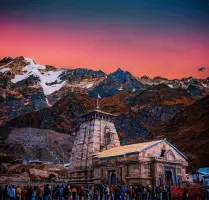
Kedarnath, dedicated to Lord Shiva, is one of the twelve Jyotirlingas and the most physically demanding among the four shrines.
Opening Date: 22 April 2026
Closing Date: 11 November 2026 (tentative)
The opening date is traditionally announced on Maha Shivratri, and the temple opens around Akshaya Tritiya. Before the season begins, the idol is brought in a ceremonial Doli Yatra from Ukhimath to Kedarnath.
Pilgrims reach Kedarnath via a 16–18 km trek from Gaurikund. The temple closes on Bhai Dooj, after a special puja ceremony. During winter, worship continues at Omkareshwar Temple in Ukhimath.
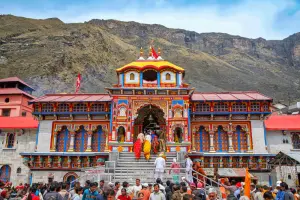
Badrinath, dedicated to Lord Vishnu, marks the final stop of the Char Dham Yatra.
Opening Date: 23 April 2026 at 6:15 AM
Closing Date: 13 November 2026 (tentative)
The opening date is announced on Basant Panchami, and the temple opens on Akshaya Tritiya with elaborate rituals. Located at approximately 3,000 meters above sea level, Badrinath is comparatively easier to access by road than Kedarnath.
The closing date is decided based on astrological calculations, usually falling on Vijaya Dashami or Bhai Dooj. Before winter, the idol is moved to Narsingh Temple in Joshimath for seasonal worship. A sacred lamp is lit inside the shrine before closure and is believed to remain burning throughout winter.
The best time to visit is May–June and September–October.
July–August (monsoon) may experience landslides and road disruptions.
Physical fitness is important, especially for Kedarnath.
Advance registration is mandatory (as per Uttarakhand government guidelines each year).
Always verify dates with official sources before booking travel.
The Char Dham Yatra 2026 season will begin in mid-April and continue until mid-November, depending on weather conditions. Since these shrines are located in high-altitude Himalayan terrain, access is strictly seasonal.
If you’re planning your pilgrimage, align your travel dates with temple openings, avoid peak crowd weeks if possible, and keep buffer days in your itinerary for weather-related delays. Proper preparation ensures a safe and spiritually fulfilling journey.
⚠️ This content may be AI-generated and could contain misinformation. If you notice any issue or want to suggest edits, please let us know.








Comments