The Gharial, with its long, slender snout and sharp interlocking teeth, is one of the most unique and endangered crocodilian species in the world. Unlike other crocodiles, it is not a man-eater, as its narrow jaws are specialized for catching fish. Found mainly in India’s northern rivers, this ancient reptile has been a silent guardian of river ecosystems for millions of years.
Why Travelers Should Know About the Gharial?
- One of the world’s longest crocodiles (Up to 6 meters!)
- Harmless to humans – Purely a fish-eater
- Found only in India & Nepal, making it a rare sight
- Critically Endangered due to habitat destruction
- Can be spotted in India’s top wildlife sanctuaries & river reserves
Best Places to Spot Gharials in India
Top Gharial Reserves & Sanctuaries 📍
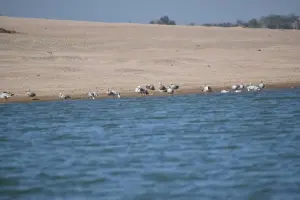
- Chambal River Sanctuary (Madhya Pradesh, Uttar Pradesh, Rajasthan) – Best place to see wild Gharials.
- National Chambal Sanctuary (Uttar Pradesh, Madhya Pradesh, Rajasthan) – A dedicated conservation area for Gharials.
- Satkosia Gorge Sanctuary (Odisha) – Gharials thrive in the deep waters here.
- Katarniaghat Wildlife Sanctuary (Uttar Pradesh) – Known for its Gharial breeding program.
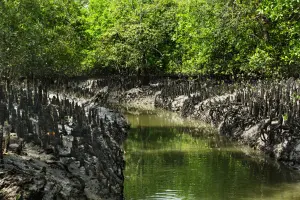
- Sundarbans National Park (West Bengal) – Home to a few Gharials, though rare.
River safaris in these areas offer travelers a chance to see these ancient reptiles in their natural habitat.
Fascinating Facts About the Gharial
1. One of the Largest Crocodilians in the World 🐊
- Males can grow up to 6 meters (20 feet) long!
- One of the longest-living reptiles, with a lifespan of 50–60 years.
2. Unique "Ghara" Nose – Why It’s Called a Gharial 🤔
- Males develop a bulbous lump (ghara) on their snout, which amplifies vocal sounds for communication.
- This feature is unique to Gharials, giving them their name.
3. They Don’t Attack Humans – Fish Are Their Only Target! 🎣
- Unlike Saltwater or Mugger Crocodiles, Gharials are harmless to humans.
- Their thin, elongated jaws are designed only for catching fish.
4. Critically Endangered – Less Than 1,000 Left in the Wild 🚨
- Dams, illegal sand mining, river pollution, and fishing nets have destroyed their habitats.
- Gharials once thrived across India, Nepal, Pakistan, and Bangladesh, but today they are found in only a few Indian rivers.
5. A Living Fossil – 100+ Million Years of Evolution 🦖
- Gharials are among the oldest crocodilians, dating back to the time of dinosaurs.
- Their ancestors existed even before many modern mammals evolved.
Can You See a Gharial in the Wild?
🛶 Yes! River safaris in Chambal, Katarniaghat, and Satkosia offer the best chances.
📸 Photographers love capturing Gharials basking in the sun with their long snouts!
📢 Conservation efforts are ongoing, and eco-tourism helps protect these majestic reptiles.
Unlike fearsome crocodiles, the Gharial is a peaceful river guardian, keeping fish populations in check and maintaining the health of India’s rivers. With fewer than 1,000 left in the wild, protecting its remaining river habitats is crucial for the survival of this prehistoric reptile. Travelers can support conservation by visiting India’s Gharial sanctuaries and raising awareness about these magnificent creatures!