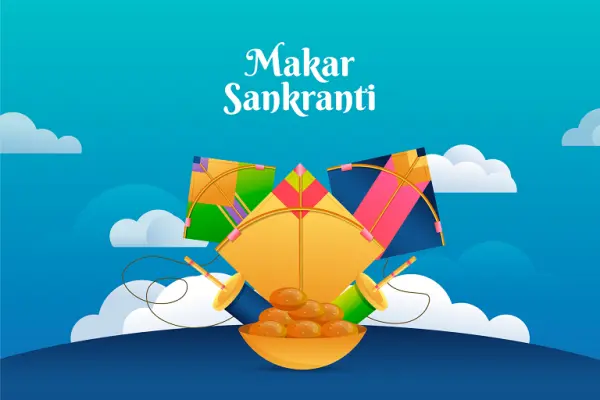
Makar Sankranti is one of the most widely observed harvest festivals of India, symbolizing the end of the winter solstice and the beginning of longer, warmer days. It has deep agricultural, cultural, and spiritual significance, and is celebrated with varied regional traditions across India.
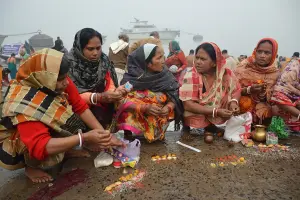
It marks the Sun’s northward journey (Uttarayan) and is associated with harvest season prosperity. Spiritually, it represents light overcoming darkness and is considered auspicious for donations (daan-punya), bathing rituals, and beginning new ventures.
Marks the end of the inauspicious winter month of Pausha.
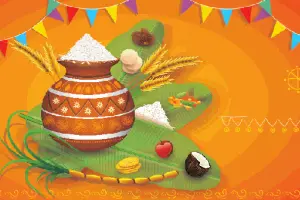
A time for thanksgiving for a good harvest.
Regarded as a festival of social harmony, community feasts, and traditional games.
Celebrations vary regionally:
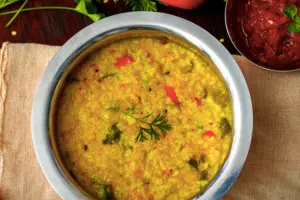
North India (Uttar Pradesh, Bihar): People prepare khichdi and take holy dips in rivers like Ganga, Yamuna, and Godavari; the day is also known as Khichdi Sankranti.
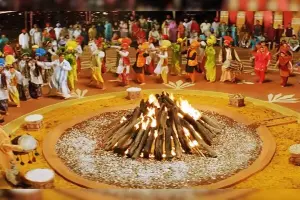
Punjab: The evening before is celebrated as Lohri, and Sankranti as Maghi, with bonfires, dances, and community feasts.
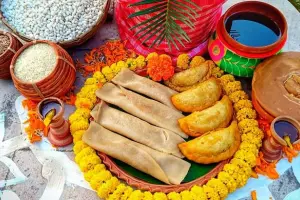
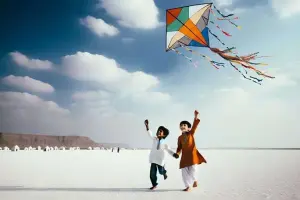
Gujarat & Maharashtra: Famous for kite-flying festivals (Uttarayan in Gujarat); sweets made of sesame (tilgul) and jaggery are distributed with the saying “Tilgul ghya, goad goad bola.”
West Bengal: Observed as Poush Sankranti with rice sweets (pithe puli) and holy dips at the Ganga Sagar Mela.
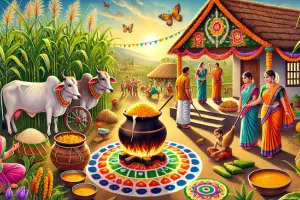
Tamil Nadu: Celebrated as Pongal, a 4-day festival with offerings of the new harvest.
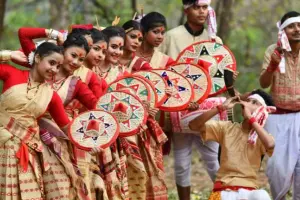
Assam: Coincides with Bhogali/Magh Bihu, marked with feasts and bonfires.
Andhra Pradesh & Karnataka: Celebrated as Makara Sankramana with pujas, exchange of sesame sweets, and cattle decorations.
| By Type | New Year Festivals , Harvest Festivals , Cultural Festivals |
|---|---|
| By Scale | National |
| By Duration | Single-Day |
| By Frequency | Yearly |
⚠️ This content may be AI-generated and could contain misinformation. If you notice any issue or want to suggest edits, please let us know.